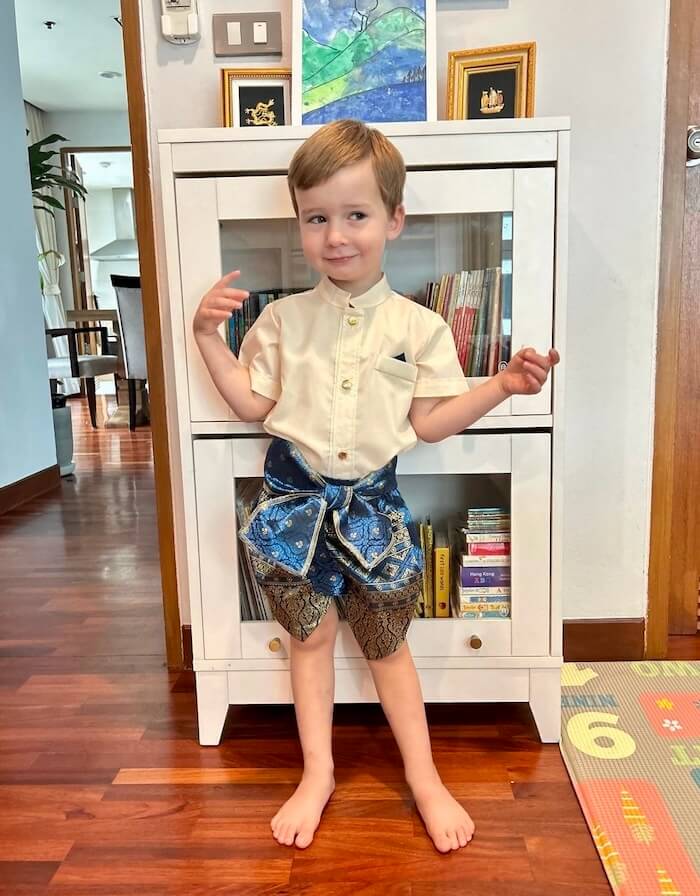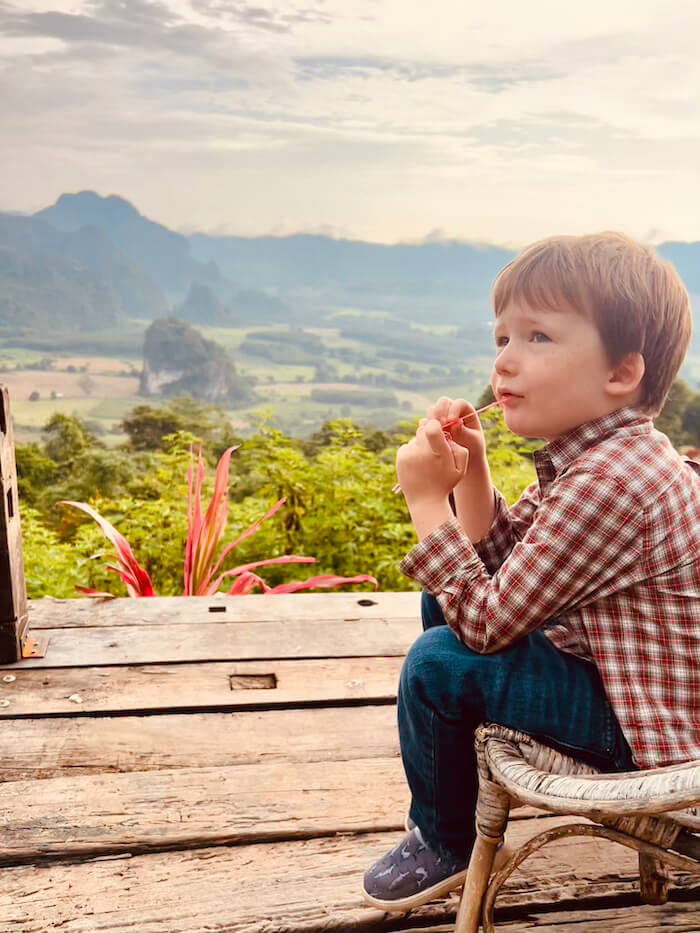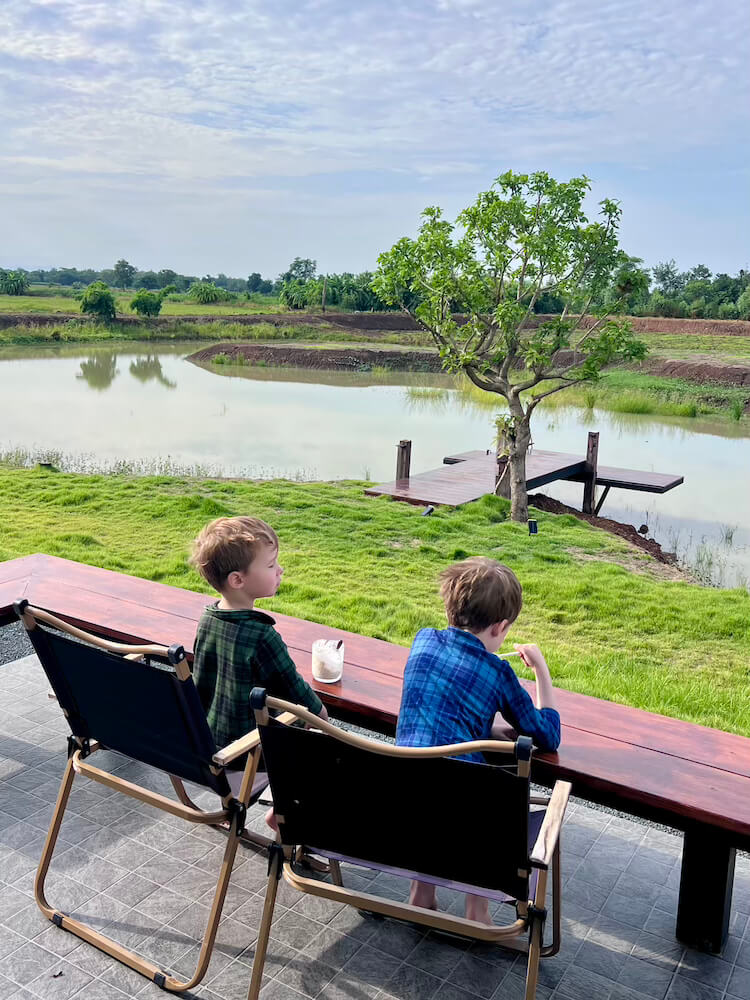
Somewhere along the Andaman coast, we did something that I would once have thought completely crazy: we left our wallets, car keys, and phones right on a shirt on the open beach, and casually disappeared into the waves for two hours.
It didn’t even cross our minds to worry.
Now, you could argue we’d been lulled a little too far into a false sense of security. But honestly? After calling Thailand home for the last three years, I can’t really think of a time we’d really felt unsafe. Our interactions with strangers nearly always came down to one thing: locals stepping in to offer unexpected help.
That sense of security became something we’ve taken for granted. Leaving any place you’ve lived in for a long time is tough, but saying goodbye to a place where you felt so consistently at ease as a family? That makes the departure especially hard.
A Culture of Care
Early on, our teachers in our Thai language classes had introduced us to the concept of kreng jai, a Thai cultural value centered on consideration, respect, and generally avoiding putting other people out. While this value may not be immediately obvious in all situations, it certainly seems to function as a guiding principle throughout much of society.
Cars rarely honk, even in the middle of absolute traffic chaos. In three years, I never witnessed a single incident of road rage, and one weekend in Rayong proved just how patient Thai drivers can be. While navigating a busy, traffic-heavy street, our car suddenly stalled. Not knowing how to shift gears with the engine completely switched off, we ended up blocking traffic for a solid ten minutes, completely hemmed in by road construction on both sides. While I tried explaining our situation to the unhurried traffic officer on the roadside, my husband frantically searched the online manual for answers.
Eventually, a tiny woman selling street sausages stepped in to help us push the car around the corner, where we finally figured out how to clean the corroded battery terminal and restart our Kia. But during those entire ten minutes of shame and despair, no one beeped. No one yelled. No one even shook their heads. Back in New York, the response would have been wildly different, but here, people were extraordinarily patient.
Raising Kids Fear-Free

Time and again, we saw ordinary citizens constantly looking out for each other and also for the sometimes bewildered tourists, helping with directions, offering practical advice, and occasionally even reaching into their own pockets to help a visitor pay for something.
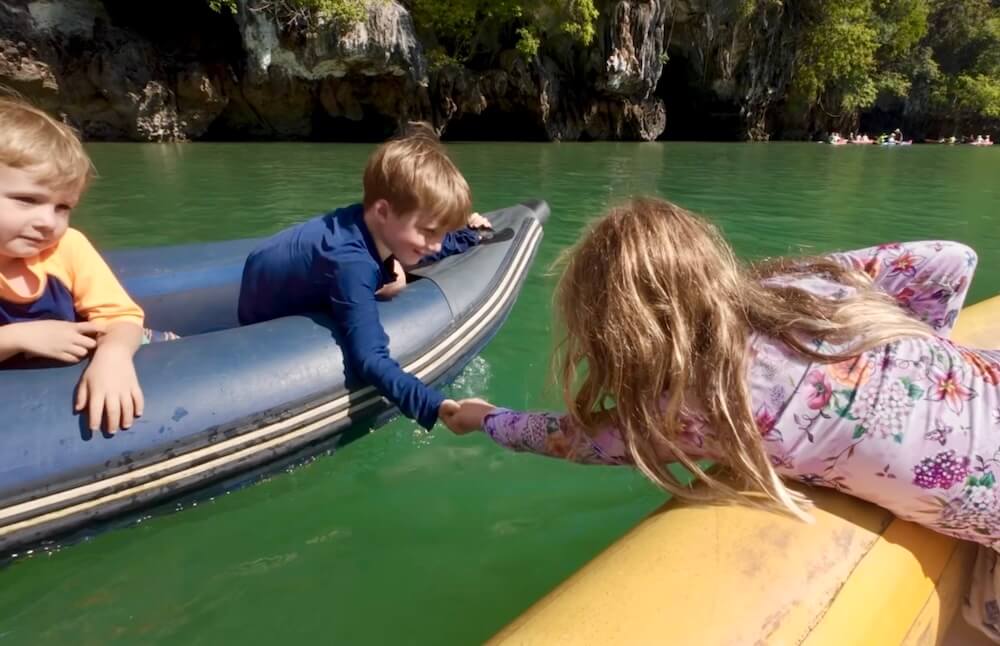
When you’re navigating the world with three young kids, that level of safety isn’t just nice to have, it’s an absolute luxury. It allowed us to let the kids explore night markets, participate in local festivals, and race way ahead of us down the beach while we followed with complete peace of mind. We rarely had to teach our kids fear here. Instead, while we followed we got to let them focus on curiosity, respect, and kindness.
Shout Out to the Tourist Police
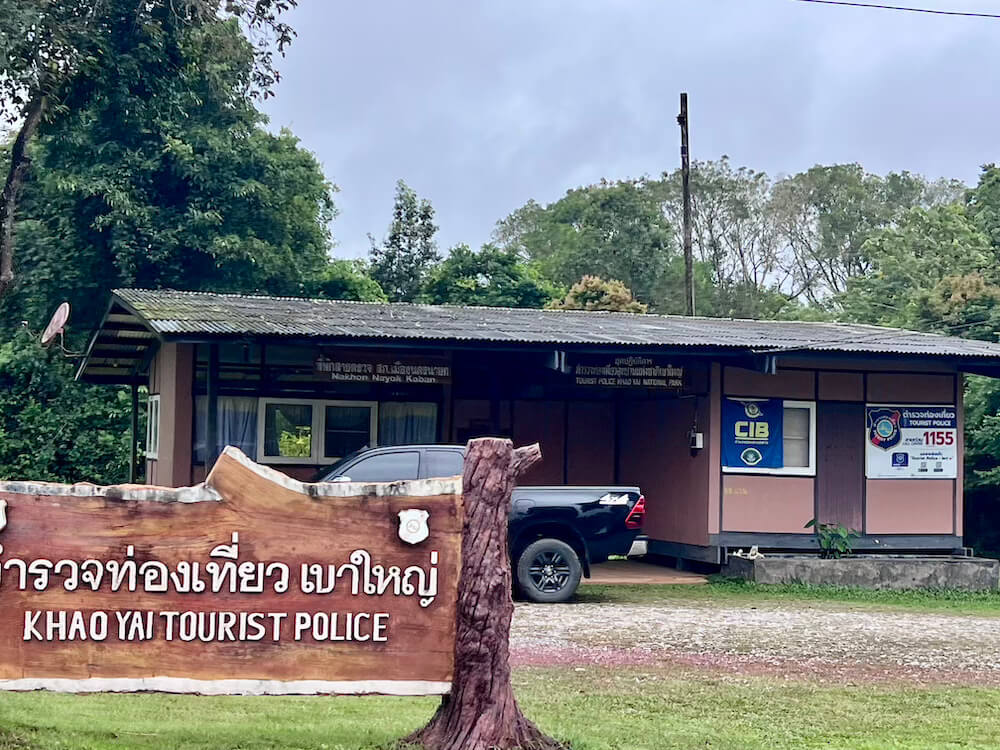
That feeling of safety is important to Thailand’s tourist industry, and it’s backed up by some very real, hard-working people.
Whether we were diving in the waves around Koh Lipe, spotting hornbills in Khao Yai, or wandering through the ancient ruins of Ayutthaya, seeing members of the local Tourist Police or Tourist Assistance Center (TAC) team always made me smile. I had spent a lot of time with their staff during working hours, so seeing them out in public, ready to help not just my family, but all the other tourists milling around, was always reassuring.
And given the diverse visitors to Thailand, keeping a country safe for families is one thing, but managing the absolute wild spectrum of global tourism is quite another. Thailand attracts every kind of traveler imaginable, which means locals and officers are kept constantly on their toes.
The Work Behind the Scenes
Behind the scenes, these teams are dealing with everything. It doesn’t stop. Tourists in Thailand will try just about anything: they break bones with ill-advised motorcycle stunts in Jomtien, ruin their jet skis while breaking marine rules in Krabi, collapse into late-night disasters in Pattaya and lose their passports to delighted macaques wherever they can.
Social media loves to turn these adventures into viral videos, but in the background, there’s a massive support network of over 1,700 Thai police officers and scores of local centers making sure everyone stays safe, accounted for, and able to enjoy their time in this beautiful country.
Heart on the Frontlines
And call me biased, but that’s what really makes me feel safe in Thailand. It isn’t just so many of the comforts that exist here. It’s the genuine heart of the people looking out for Thailand’s visitors.
In my professional experience, I’ve witnessed tourist police officers pay out of their own pockets to help stranded travelers catch a train to their embassy, located hundreds of kilometers away, buy meals for travelers who missed their flights, and handle wildly disrespectful behavior with total composure, dignity, and grace.
They don’t just offer security. They offer reassurance, respect, and the quiet comfort of knowing someone in this foreign place genuinely has your back.
Stepping Out of the Bubble
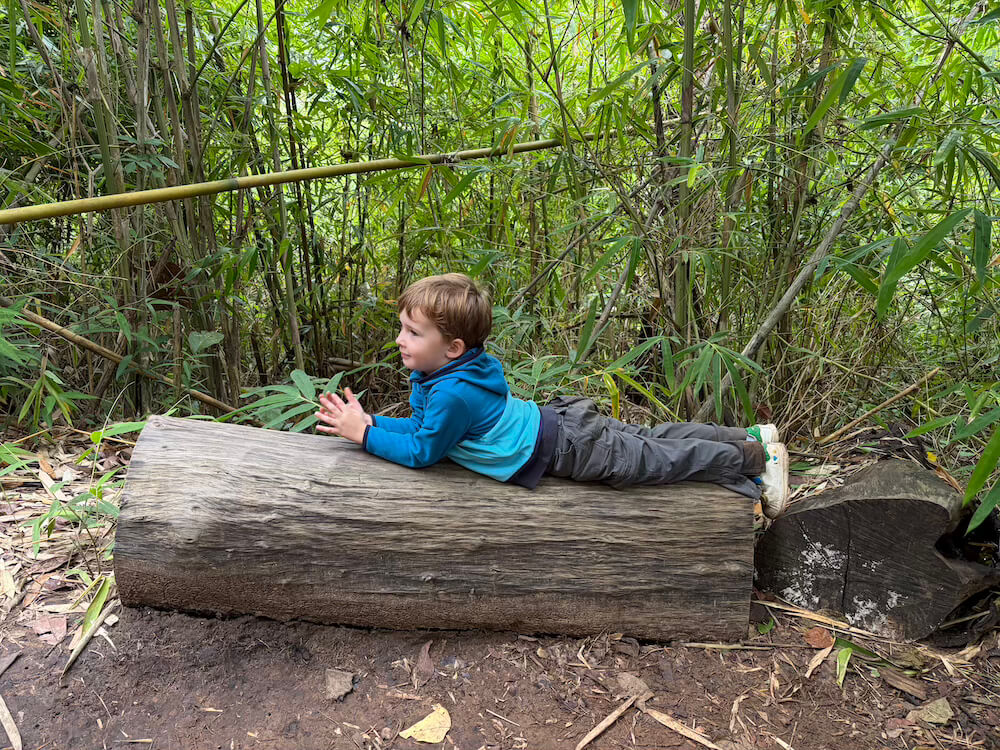
As we pack up our bags and gear up for our journey of worldschooling our kids for 500 days, we know we won’t always have this same security blanket to fall back on.
Moving forward, we’ll be traveling through places where street-level vigilance is a daily requirement, where public transport is a bit more unpredictable, and where we simply can’t afford to let down our guard. We will be moving on from a place where we were completely relaxed into one of intentional preparation, sharpening our situational awareness and re-evaluating how we move through big crowds.
Preparing three young kids for big-city travel without scaring them is a balancing act. We plan to build new daily habits: setting strict visual boundaries in public, picking clear meeting spots, memorizing emergency contact details, and talking about what to do if someone gets separated.
It’s definitely a shift from the warm, community-wide safety net of Thailand to an internal family system. We want our kids to remain confident, curious explorers, while learning to navigate the realities of a dynamic, complex world.
From Beaches to the Himalayas
Our first chapter on the road will kick off far from the warm beaches of the Andaman. We are heading to Nepal to begin this worldwide trip with some time on foot, hiking through the Himalayan foothills with three kids in tow. It is an immediate shift in scenery and pace, trading predictable routines for high-altitude trails, mountain weather, and the physical grit required for long family treks. Moving from a comfortable, stationary home base is a way to test our legs, reset our focus, and anchor ourselves in the work of moving forward together.
Moving Forward

As we head into far less predictable corners of the world, we’re officially trading Thailand’s comforts for new routines, crowded chaos, and the complete unknown. But as much as we’ll miss the amazing food and warm smiles in Thailand, we’re leaving with so many things we’ve learned: the confidence, resilience, and adaptability that we developed within the safety of the Thai community. I’m pretty sure many of those skills are going to save us out there in the wild world.