To understand how our philosophy differs from child to child and how it will change as they develop and grow, visit our Worldschooling Philosophy hub.
Learning as an Ongoing Adventure
This stage of learning is the one I feel most nervous about. It sits at the transition between the supported, dependent learning of early childhood and the beginnings of true independence, a shift I’ve always relied on teachers to navigate for me.
I’m deeply aware of how formative these years can be, and that knowledge brings both anticipation and a deep sense of responsibility. I don’t want to rush this transition, and I especially don’t want to overlook gaps that might form as our seven-year-old moves from being guided to taking more ownership of his learning.
Between the ages of seven and nine, children begin to form a strong sense of identity as learners. They become more aware of their abilities, more sensitive to challenge, and more invested in doing things “well.” Holding this knowledge alongside my own inexperience has required me to slow down, observe carefully, and stay open to adjusting in real time.
Our Role at This Stage
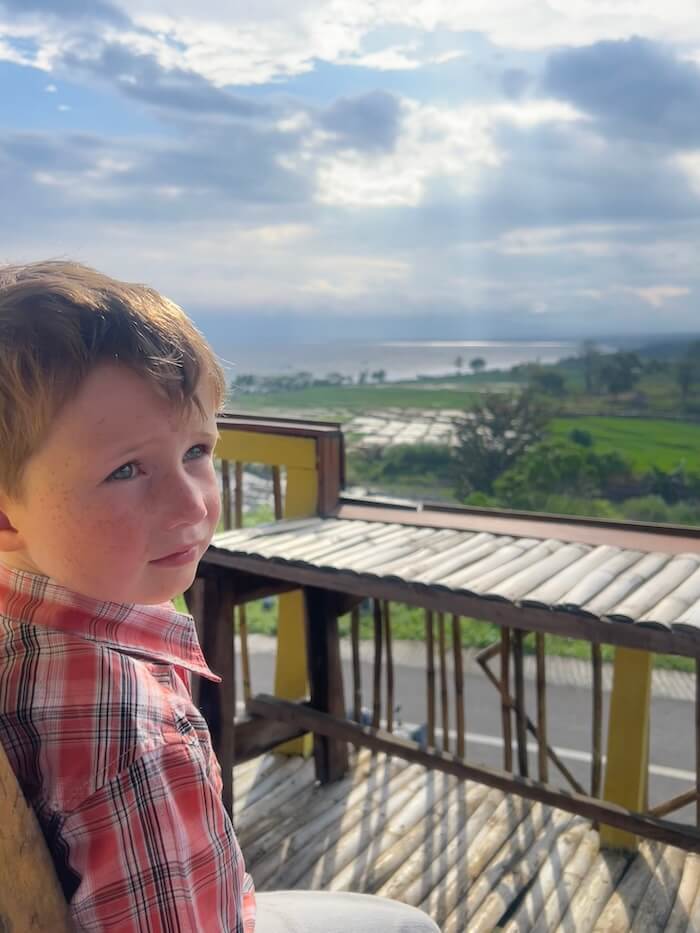
Our role is to support our child’s independence while still offering the guidance and reassurance he needs. I remind myself that not every day needs to look productive or well-structured, and that learning doesn’t need to be measured in every moment to be meaningful.
Creating space for rest, boredom, play, and unstructured time feels especially important right now. These spaces support motivation and emotional regulation and will help me stay grounded, rather than anxious and rushed.
As with our four-year-old, our hope is to nurture a confident, capable learner who sees learning as woven naturally into everyday life. Rather than separating “school” from the rest of the day, curiosity, exploration, and hands-on discovery will guide our days, alongside his growing development of reading, writing, mathematics, critical thinking, science, creativity, and wellbeing.
Learning Through Experience
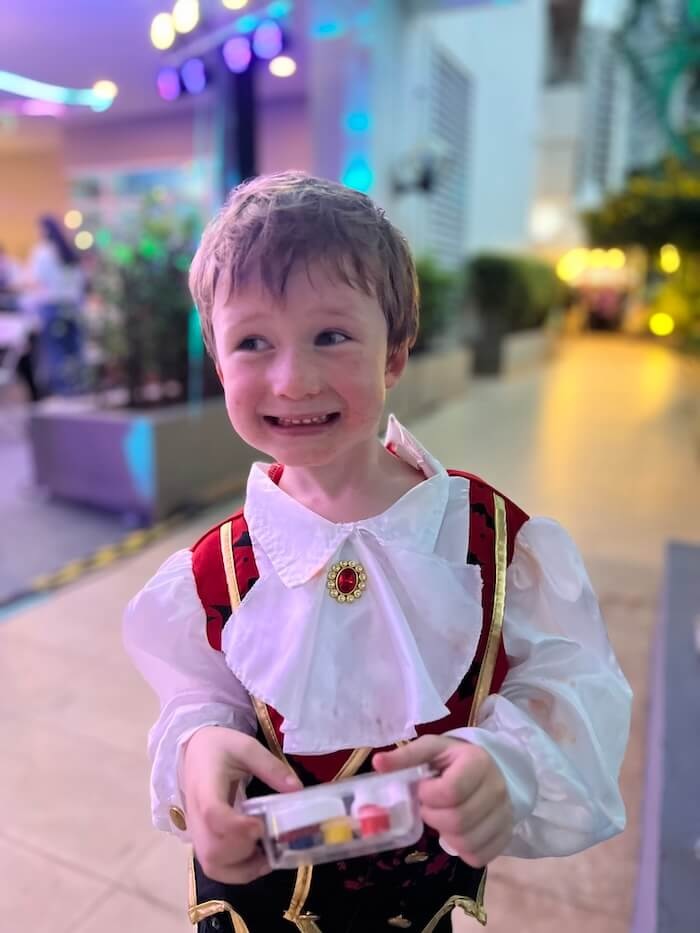
Learning through doing, engaging with people, cultures, nature, and the places we visit, continues to shape our approach. For our seven-year-old, though, I am becoming more intentional about encouraging deeper inquiry: asking thoughtful questions, making connections, revisiting concepts, and reflecting on experiences over time. Learning will shift from simple exposure to increased depth and engagement.
Projects may last days or weeks. Ideas are revisited, refined, and sometimes abandoned before being taken up again later. We will approach challenges with support and patience rather than urgency. I will stay attentive to moments where confidence or enthusiasm might be masking underlying difficulty, using gentle check-ins to ensure foundational skills strengthen alongside interest-led learning. This is a skill I’m still developing, and I’m conscious that it requires a great deal of presence.
Supporting Emotional Wellbeing
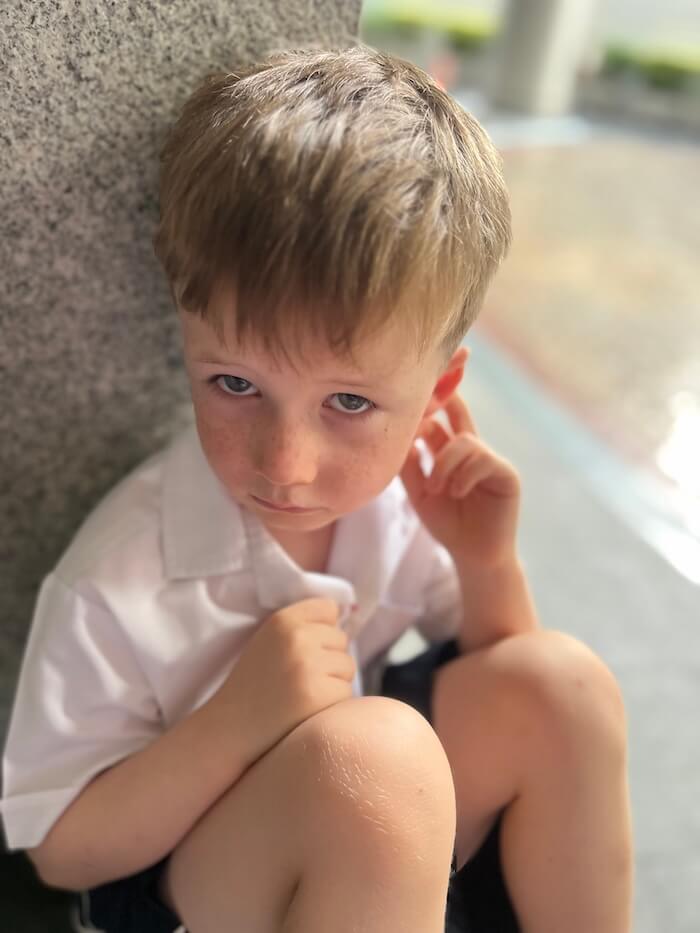
At this age, emotional support is foundational for learning. As expectations grow, we expect occasional (frequent!) frustration, flashes of perfectionism, or worries about getting things “wrong.” We’ll stay mindful of how easily pressure can creep in, whether it comes from the outside world or from our own hopes and anxieties.
We’ll support emotional literacy by naming feelings, normalising struggle, and gently reminding our child that effort and curiosity matter more than getting things right the first time. Mistakes will be treated as useful information rather than failures, and learning will be framed as a process, not a performance.
When signs of pressure appear, such as avoidance, outrage, or hesitation to try independently, we’ll take that as our cue to slow things down, offer reassurance, and adjust expectations instead of pushing through. We’ll trust that sometimes the most supportive thing we can do is pause, breathe, and make learning feel positive again.
Growing Ownership, Independence, and Responsibility
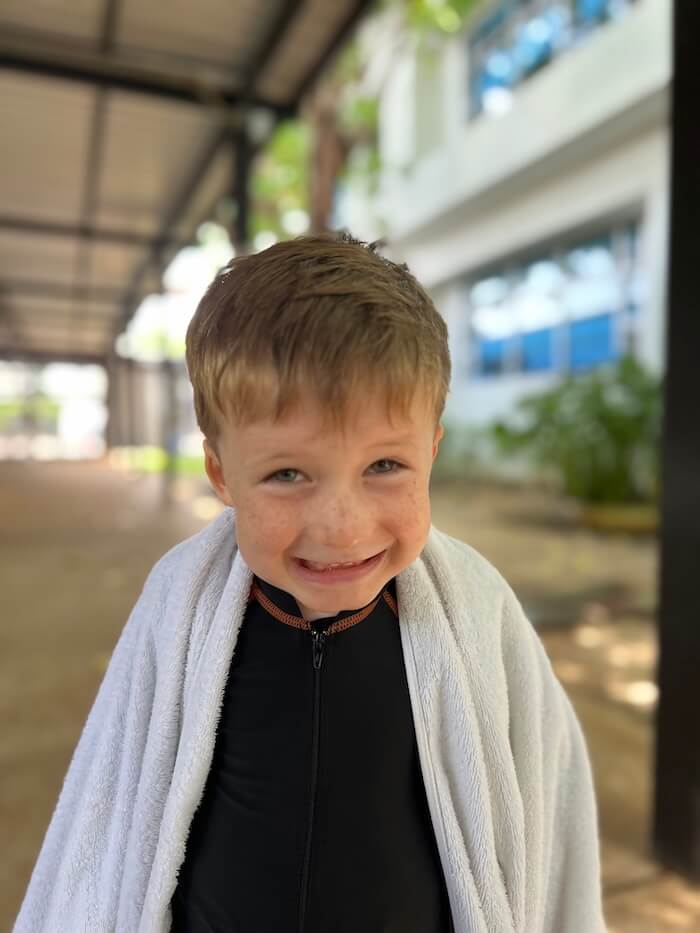
As our seven-year-old matures, we hope learning will become a combined effort. We’ll gradually shift responsibility by inviting him into the process, planning projects together, setting short-term goals, organising materials, and learning how to manage his time. Independence will be carefully scaffolded: tasks will be modelled, broken into manageable steps, and practised side by side.
We’ll also intentionally create space for our child to work on his own, start tasks without prompting, and see things through without constant adult presence. We know this balance will be delicate, and that we won’t always get it right, but our aim is to let confidence and autonomy grow steadily.
Skill Development
Between the ages of seven and nine, consolidating skills will become increasingly important. Reading fluency, writing stamina, spelling, number sense, and mathematical reasoning will all benefit from deliberate, consistent practice. We’ll create short, focused windows for skill-building, while staying attuned to energy levels and emotional state.
Signs like avoidance, fatigue, or heavy reliance on adult support won’t be treated as problems to fix, but as useful information. When those patterns show up, we’ll respond by adjusting early and reminding ourselves that needing support is a normal part of learning, not a sign that something has gone wrong.
Focus and Rhythm
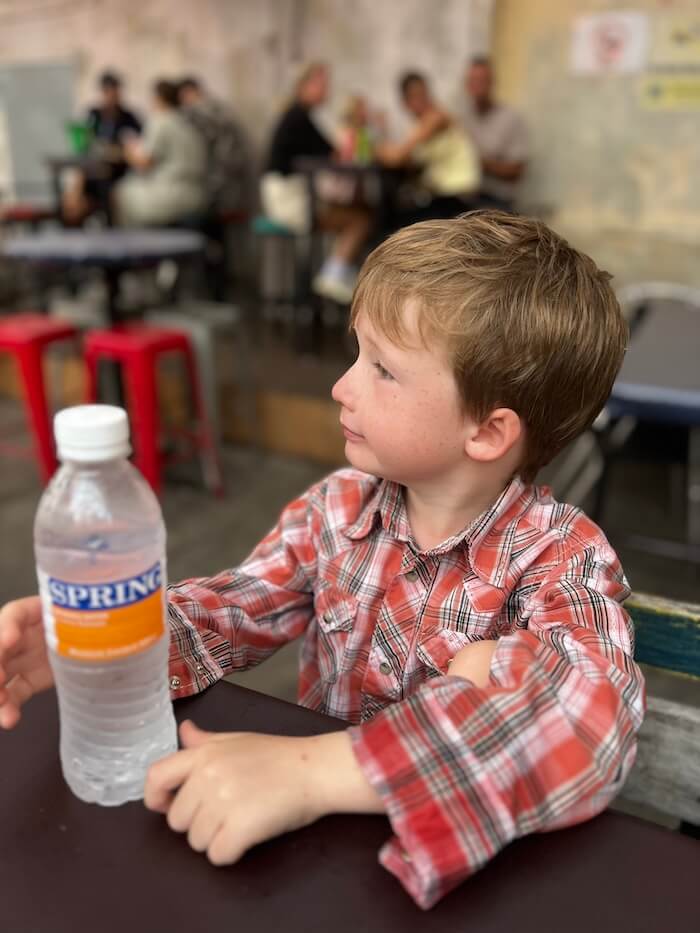
We’ll support focus by keeping tasks manageable, choosing one main goal at a time, and weaving periods of concentration in between movement, outdoor time, and rest. Predictable rhythms will offer a sense of security, while flexibility will allow us to respond to the practical realities of travel.
We’ll stay mindful that flexibility, if left unchecked, can slowly slide into inconsistency. When things start to feel too loose, we’ll return to a simple, familiar rhythm, one that balances freedom with continuity, so learning can remain steady even during busy or unsettled times.
Curriculum Goals
Our learning plan is designed to support our son as he is right now, while also gently preparing him for an eventual return to a more formal school environment. Learning will be organised across English, Maths, Science, Health and Sport, Technology, History and Geography, and The Arts. Through these areas, our aim is to nurture his curiosity, deepen his understanding, extend his capacity to focus, and strengthen the foundational skills he needs to feel confident and capable as a learner.
Above all, we want learning to remain meaningful and responsive to who our son is. We will stay flexible, adjusting pace and approach based on his interests, energy, and developmental needs.
Observing Progress Without Pressure
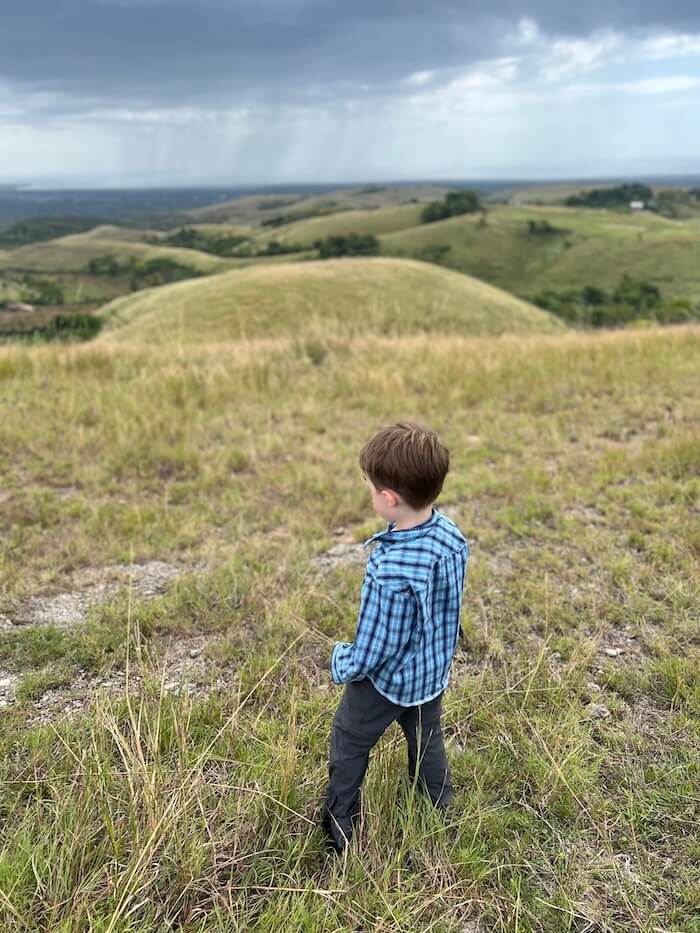
Our son’s progress will be observed primarily through everyday experiences—conversations, projects, writing, drawings, photos, and journals. From time to time, we may also draw on standardised assessments as one additional tool to understand aspects of his development. We recognise that these assessments can provide a useful external snapshot of certain foundational skills, particularly when thinking ahead to future transitions. At the same time, we remain mindful of their limitations at this age.
If assessments are used, they will be limited in scope, low-pressure, and approached as sources of information rather than judgement. Any insights gained will be held lightly and considered alongside our ongoing observations, our relationship with our son, and the rich learning that unfolds naturally through his daily life. Our priority is to ensure that testing never overshadows trust, curiosity, or his sense of himself as a capable and motivated learner.
Looking Ahead
While staying grounded in the present, we will keep future transitions gently in view. Our son will practise skills that support school readiness, such as following instructions independently and sustaining attention during less-preferred activities.
These experiences are offered as preparation rather than pressure—small, intentional opportunities to build resilience and independence. Our goal is to “future-proof” our son without allowing what comes next to dominate what matters most now: his wellbeing, confidence, and love of learning.
Emotional Safety and Wellbeing.
Learning is grounded in trust and connection. We prioritize regulation and confidence, meeting challenges or signs of stress with patience and encouragement before introducing academic expectations.
Gradual Growth Toward Independence.
Independence is built intentionally. We model skills and routines together before gradually releasing ownership, ensuring our son feels supported as he navigates new choices and independent work.
Strong Foundations in Core Skills.
Literacy and numeracy are strengthened through practice connected to real-life experiences. We treat fatigue or avoidance as information to guide our pacing, building competence without pressure or comparison.
Curiosity-Led Learning with Structure.
Interests guide our path, supported by a flexible rhythm that provides security. We encourage our son to explore ideas deeply and revisit concepts, allowing for genuine understanding and mastery.
Developing Resilience.
Mistakes and struggles are framed as opportunities for reflection. We help our son develop self-awareness by talking openly about what is hard, helping him build confidence as a learner.
Balance and Connection.
Learning is balanced with play, movement, and rest. We value everyday life, travel, and social connection as rich opportunities, ensuring education is woven naturally into our shared family experiences.
Visit our Worldschooling Hub for more information about our curriculum, detailed lesson plans, and the other resources on which we’ve relied to support our traveling classroom.