Home Brewed Mead from Wild Honey
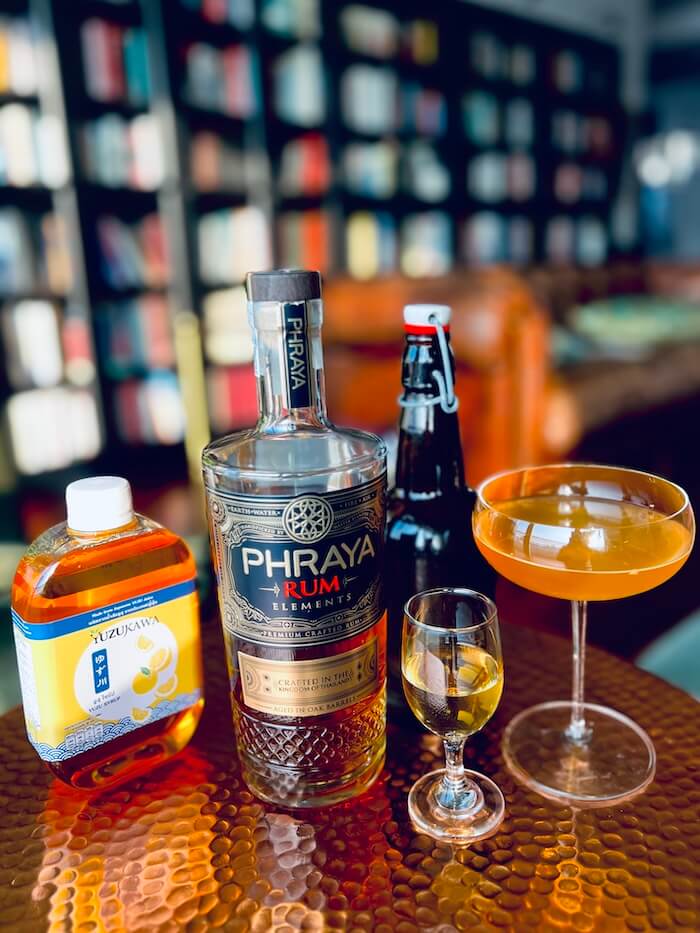
Ok, maybe we’re not creating a spirit here, but we are brewing something up from scratch. We’re taking advantage of Thailand’s low price, high quality honey to homebrew mead, which we’ll drink straight and also use in cocktails like The Bee’s Shortcut.
| Location | A local market in Kanchanaburi next to Thailand’s Largest Monkey Pod tree. |
| Base | Thai wild honey. |
| Key Botanical | Also honey. |
I’ve homebrewed for at least 15 years now, but the lack of easy access to large volumes of clean water has made that less tenable than it used to be. What the 33rd floor giveth in skyline views, it taketh away in the easy securing of 40 liters of potable water.
One resource that has proven to be readily available, however, is honey. Harvested from Thailand’s boundless forests, wild honey can be found all over the country. If you find yourself in the countryside as often as we do, you can usually have it for very reasonable prices too.
For THB 200 (about USD $6.00), I bought a liter of wild honey and also got to keep the recycled Mekong Whiskey bottle it came in. A liter of wild honey in New York City would cost at least $50, so even if there’s some light adulteration going on, we’re still coming out ahead.
For more locally sourced cocktail recipes, check out the complete Capturing the Local Spirit series.
The Ingredients
| Amount | Ingredient |
|---|---|
| 1 liter | Thai Wild Honey |
| 3 liters | Spring Water |
| 75 grams | Whole Raisins |
| 1 five gram packet | Champagne Yeast |
| 5 grams bread yeast | Any baking yeast should do. |
| 5 liter jug with an airlock | You’ll need the airlock for sanitation purposes and to safely vent off the carbon dioxide. |
The Process
| 1. | Dissolve the honey in a liter of water, no need to boil, but the honey should go into solution. |
| 2. | Boil the bread yeast in 200 mls of water for 20 minutes. |
| 3. | Add the boiled yeast mixture and the whole raisins to enough water to make two liters. Pour into the fermenting container. |
| 4. | Add the champagne yeast, give the whole thing a vigorous shake to aerate it, and put the spirit-filled airlock in. |
| 5. | Fermenting will likely begin quickly, evidenced by the bubbling airlock. A gentle shake to keep the raisins from too much exposure to air is all the tending you’ll need to do for the next two weeks. |
| 6. | Once fermentation has stopped, transfer the mead off the yeast and into a new, sterilized container. Let it sit in as cool a place as you have for a month or two. |
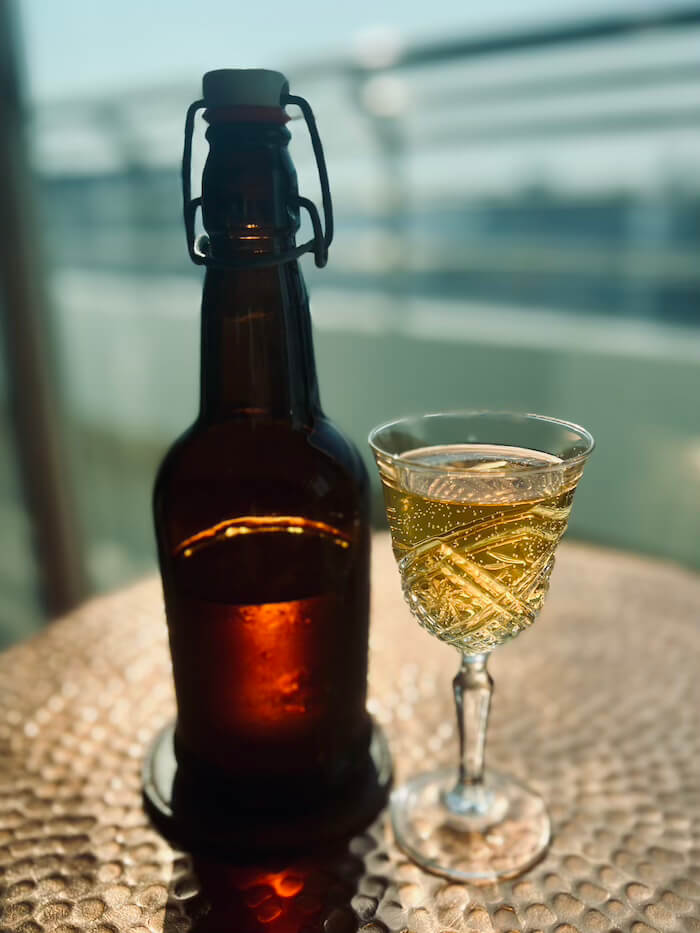
| 7. | When you’re ready, bottle it in sterile bottles, preferably something re-sealable, because who wants a half-liter of mead in one sitting? |
Note: This is intended to be a decidedly stress-free and low-tech endeavor. You can, for example, take brix readings to check whether fermentation is done. For our purposes, we did almost nothing a serious homebrewer would recognize beyond careful santitation and an OG reading.
We produced six 500 ml bottles at around 4.5% abv and, you know what? It’s not too bad and is only getting better with age. We’ll leave Thailand before it reaches its peak, but this project exceeded expectations.
To pick up some honey of your own, check out our Thailand Travel Itineraries and start organizing your own brewing adventure.