To understand how our philosophy differs from child to child and how it will change as they develop and grow, visit our Worldschooling Philosophy hub.
Learning as an Everyday Adventure
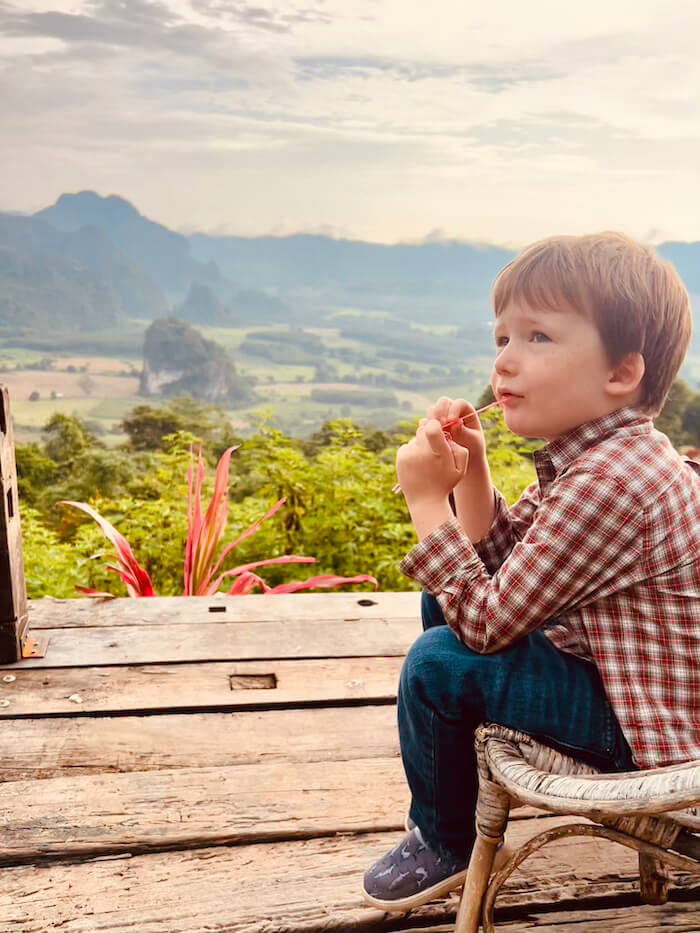
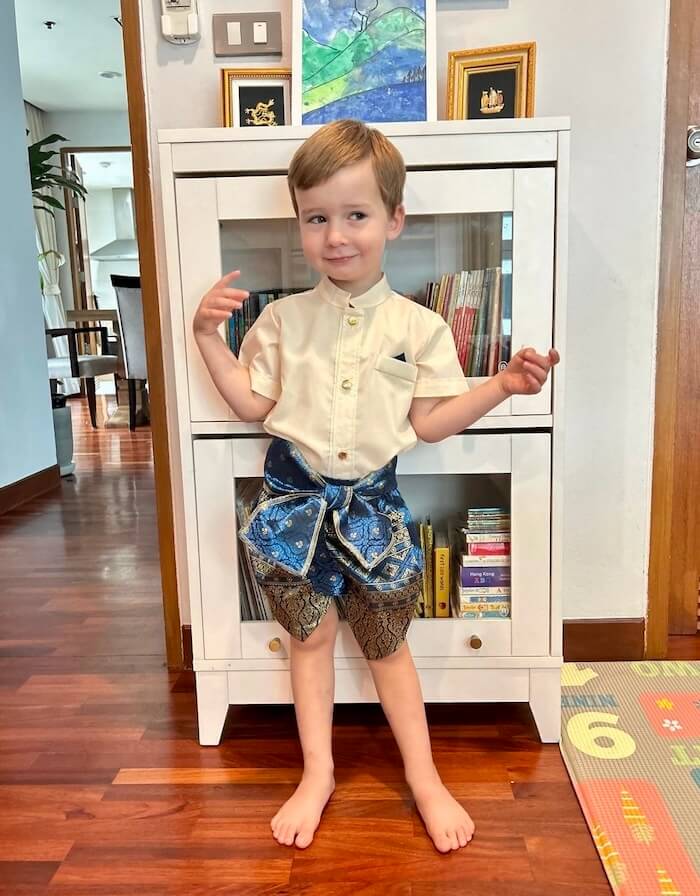
Our hope for four-year-old Charlie is simple: that learning feels woven into everyday life, not set apart from it. We want his days to feel like adventures sparked by curiosity and grounded in play and hands-on experiences. Through questions, exploration, and creating things together, we hope that reading, numbers, science, and movement naturally become part of our daily rhythm.
We also try to stay realistic about our own energy and capacity. Not every day will be focused, and that’s okay. Learning doesn’t need to be labelled or explained in every moment to be meaningful. By allowing space for rest and unstructured time, curiosity can stay light, positive, and sustainable.
Learning Through Doing
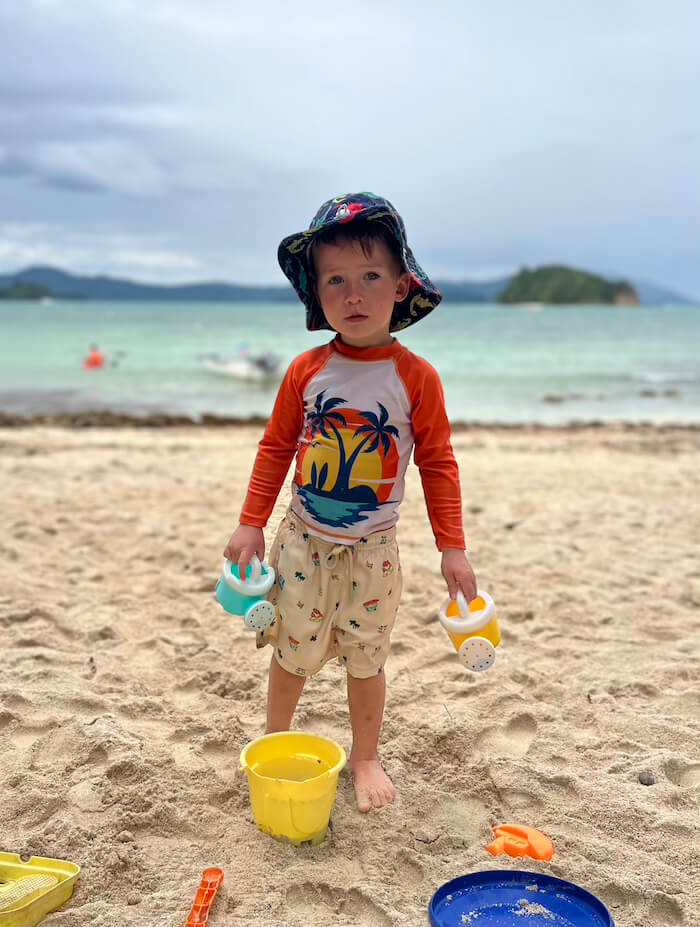
For a four-year-old, we believe learning happens best through doing and through connections with nature, people, and place. Our hope is that Charlie grows into a confident, curious, and independent learner who sees the world itself as his classroom. Not every subject needs to appear every day, and learning doesn’t have to follow neat boxes or schedules.
To support this approach, we’ve created learning goals and a flexible weekly flow that we can adapt as we go. These provide gentle direction without unnecessary pressure. Just as importantly, we aim to step back and follow his interests as they emerge, trusting that play, repetition, and deep fascination are powerful forms of learning at his age.
Exploring Together
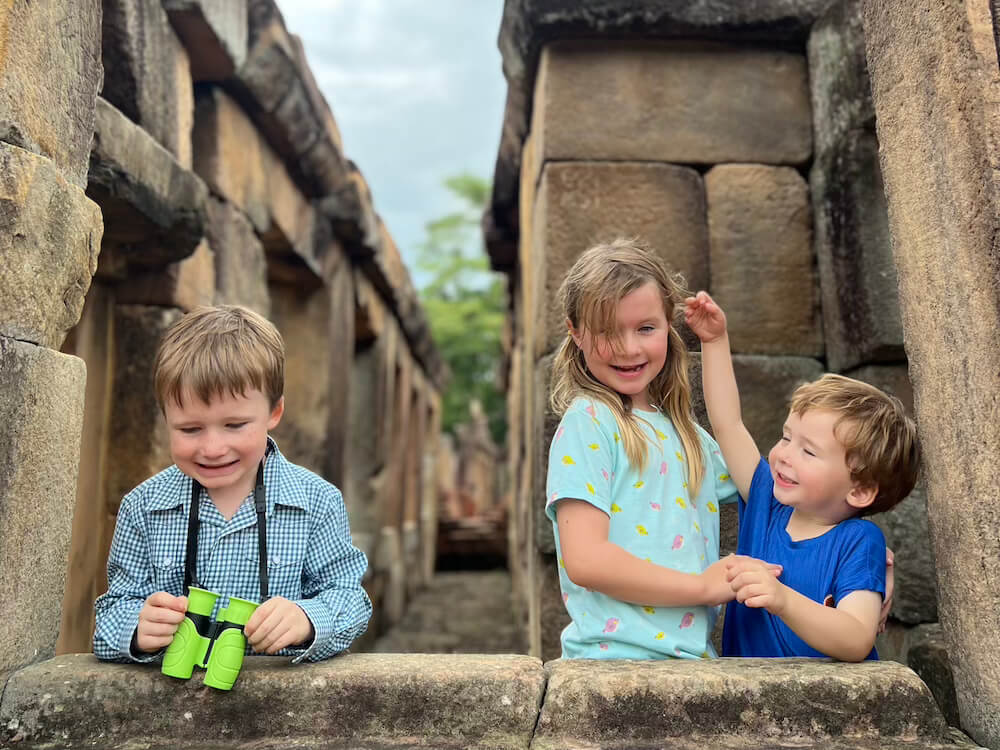
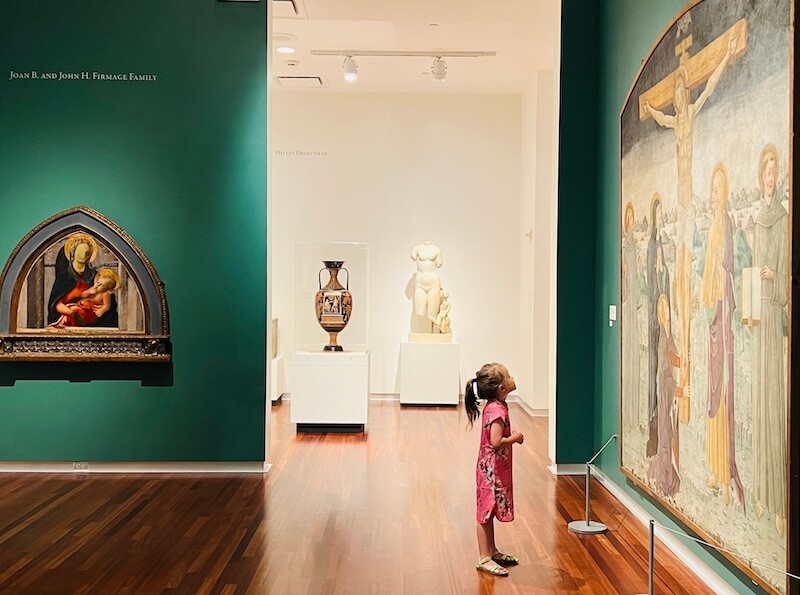
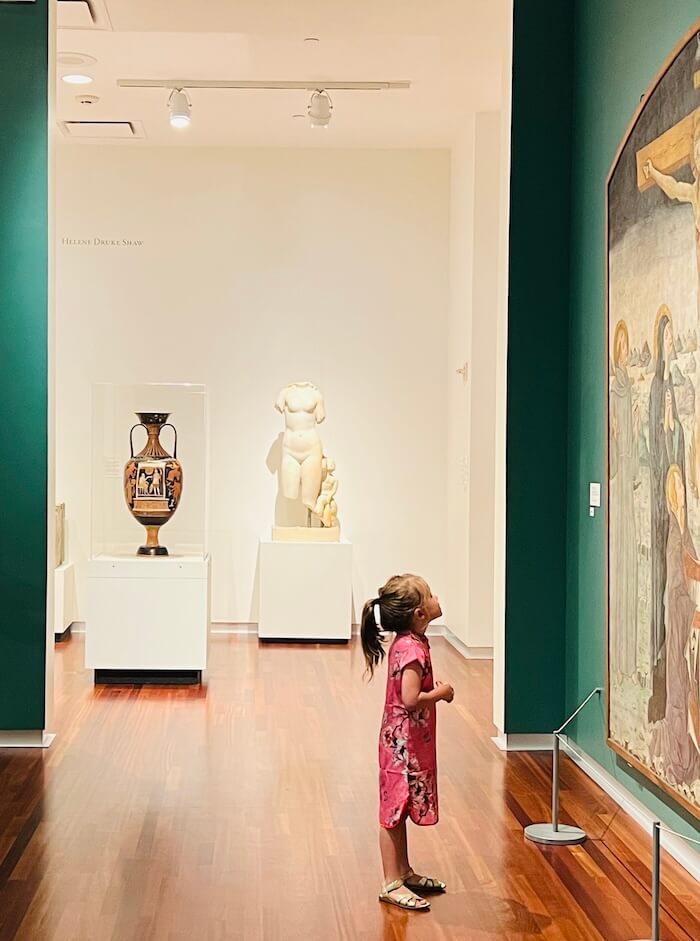
Travel has already transformed learning into something we genuinely share as a family. Before visiting each new place in Thailand, we take time to read about the region: its history, landscapes, and the stories that shape it. Before heading to a temple complex, we explore the buildings we’ll see and the symbols woven through them, giving our child familiar reference points before we arrive. As we encounter new scenes, we also research cultural practices, so we have language and context for what unfolds.
One of the greatest surprises in all of this has been how much I am learning too. I never expected to feel so confident recognising religious scenes, understanding temple imagery, or making sense of Thai geography in such meaningful detail. Learning side by side has turned each place into more than a destination—it’s become a shared discovery.
Learning at Home
Planning our son’s learning has also changed how I move through everyday life at home. Ordinary moments now feel full of quiet opportunities, and I’m more aware of when I can slow down, explain what’s happening, and invite the kids in rather than rushing through tasks alone.
Cooking, cleaning, and organising have become natural entry points for talking about numbers, processes, and cause and effect. Instead of hurriedly preparing a meal after work, I’ll pull out the scales and measuring cups, compare quantities, and talk through what each ingredient does and why it matters. These moments don’t feel like lessons; they feel like shared experiences that build understanding. I hope to have more of them as we free up more of our time.
Flexibility and Adaptability
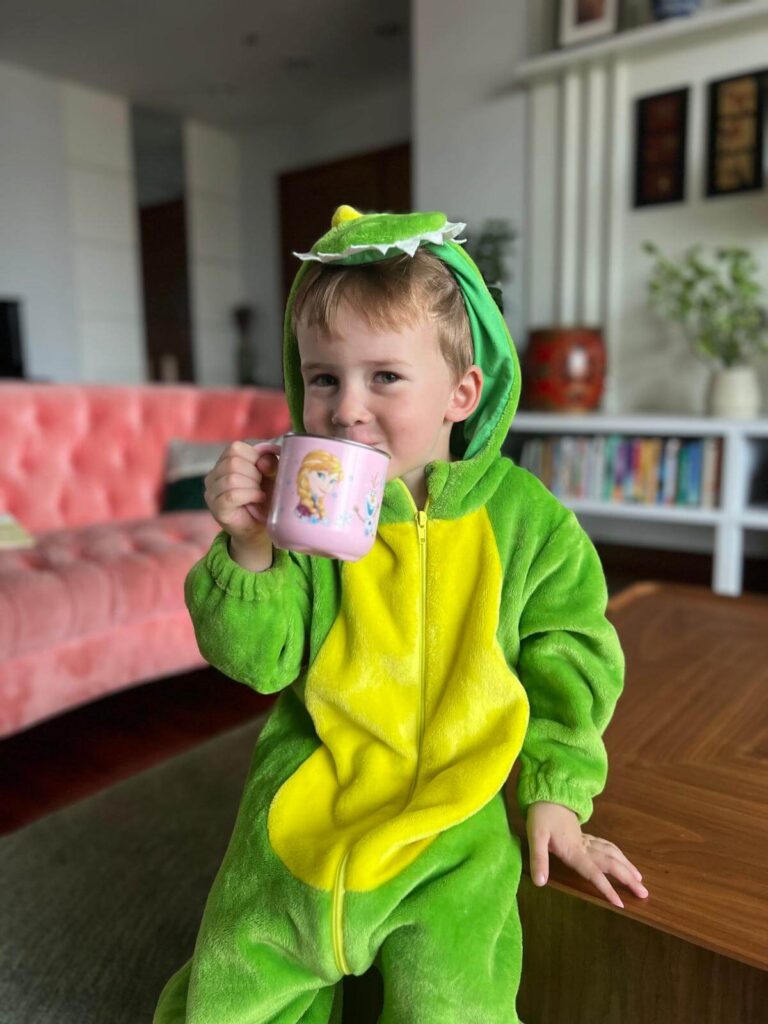
This shift does take effort. Right now, being this intentional requires more mental energy than it will in the future, especially while I’m balancing engagement with the kids alongside ten-hour workdays. Much of this planning and awareness is happening in limited pockets of time, which can feel overwhelming after a stressful day. As we move into travel and step away from full-time work, I know this approach will feel more natural and spacious, allowing learning to unfold with less strain and more presence.
Travel will still bring constant change: new places and shifting routines. Some weeks will feel full and vibrant; others slower and quieter. Rather than seeing this as disruption, we’re choosing to see adaptability itself as part of the learning. Navigating new rhythms, adjusting expectations, and finding motivation within change are valuable skills in their own right.
Curriculum Goals
To support Charlie’s eventual return to school, we’ve grouped learning into English, Maths, Science, Health and Sport, Technology, History and Geography, and Art.
- English supports sharing ideas and stories through conversation, storytelling, listening, reading, and early writing.
- Maths appears naturally through counting, shapes, measuring, distances, and problem-solving during play.
- Science grows from observing plants, animals, materials, and the world around him.
- Health and sport support his growing body through movement, balance, outdoor play, and learning about nutrition, hygiene, and emotions.
- Technology is explored in a hands-on way through building, planning, experimenting, and problem-solving.
- History and geography come alive through stories, maps, family histories, and discovering the communities and places we visit.
- Art, music, drama, and visual creativity provide space for imagination and expression while also strengthening fine and gross motor skills.
- Social learning will unfold naturally through interactions with people of all ages, friendships, shared play, and observing how different communities live and connect.
Looking Ahead
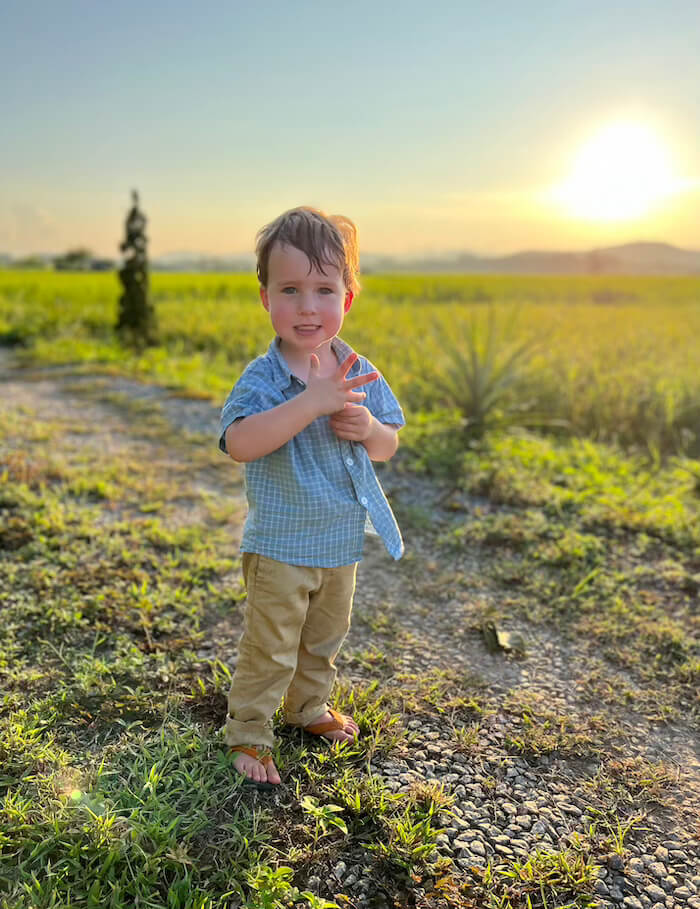
We’re confident in this approach because it isn’t experimental guesswork. It’s thoughtful, flexible, and grounded in how children actually learn and how our family actually lives. We keep his eventual return to school in mind without letting it drive every decision we make now, choosing instead to move slowly enough to notice what matters and stay adaptable when plans shift.
Our approach isn’t about racing ahead or ticking boxes. It’s about building a relaxed, positive relationship with learning itself, shaped by curiosity, confidence, and a few guiding principles we trust. As we travel, work, rest, and explore together, learning is woven naturally through our days, sometimes obvious, sometimes barely noticeable but always present.
Guiding Learning Principles for Our Four-Year-Old
Learning is relational.
He will learn best through relationships, so we place connection first. Conversations, shared experiences, and time spent together matter more than any activity or outcome. When learning grows from secure relationships, curiosity feels safe and confidence can take root.
Play is learning.
Play is not a break from learning—it is learning. Through play, our child experiments, repeats, imagines, negotiates, and makes sense of the world. We honour play as meaningful, valuable work and allow it the time and space it needs to unfold naturally.
Curiosity leads the way.
Rather than following rigid plans, we aim to notice what sparks interest and lean into it. Questions, wonder, and fascination are signals of deep learning happening. When curiosity leads, motivation comes from within, and learning feels fun rather than forced.
Learning is embodied and hands-on.
He will learn through his body and senses. Touching, building, moving, tasting, and observing are essential ways of understanding the world. We prioritise real experiences over abstract explanations, trusting that meaning grows through doing.
Rhythm over routine.
We value gentle rhythms rather than strict schedules. Some days are full and energetic; others are slower and quieter. By staying responsive to energy levels and emotional needs, we protect learning from becoming overwhelming and allow it to remain sustainable for our whole family.
Rest and simplicity matter.
Downtime, boredom, and unstructured moments are not empty. These spaces allow ideas to settle, imagination to emerge, and curiosity to renew itself. We intentionally leave room for rest, knowing that learning needs breathing space to thrive.
Adaptability is a skill.
Travel, change, and uncertainty are not obstacles to learning—they are powerful teachers. By navigating new places, shifting routines, and unfamiliar situations together, we model flexibility, problem-solving, and resilience as everyday life skills.
Adults are learners too.
We don’t aim to be experts with all the answers. Instead, we model how to wonder, research, ask questions, and learn alongside our child. By showing curiosity and humility, we hope to pass on confidence in learning, not perfection.
Visit our Worldschooling Hub for more information about our curriculum, detailed lesson plans, and the other resources on which we’ve relied to support our traveling classroom.