To understand how our philosophy differs from child to child and how it will change as they develop and grow, visit our Worldschooling Philosophy hub.
A Turning Point
The years between nine and eleven mark an important shift. Our daughter is no longer simply discovering what it means to be a learner; she is beginning to test whether she can trust herself as one. This stage sits between the security of supported childhood learning and the threshold of early adolescence, where independence becomes more visible and expected.
I’m excited about this stage because it feels so alive with possibility. Our daughter is old enough to truly engage with the world and young enough to still meet it with wonder, and worldschooling lets her curiosity lead rather than squeezing it into a classroom box.
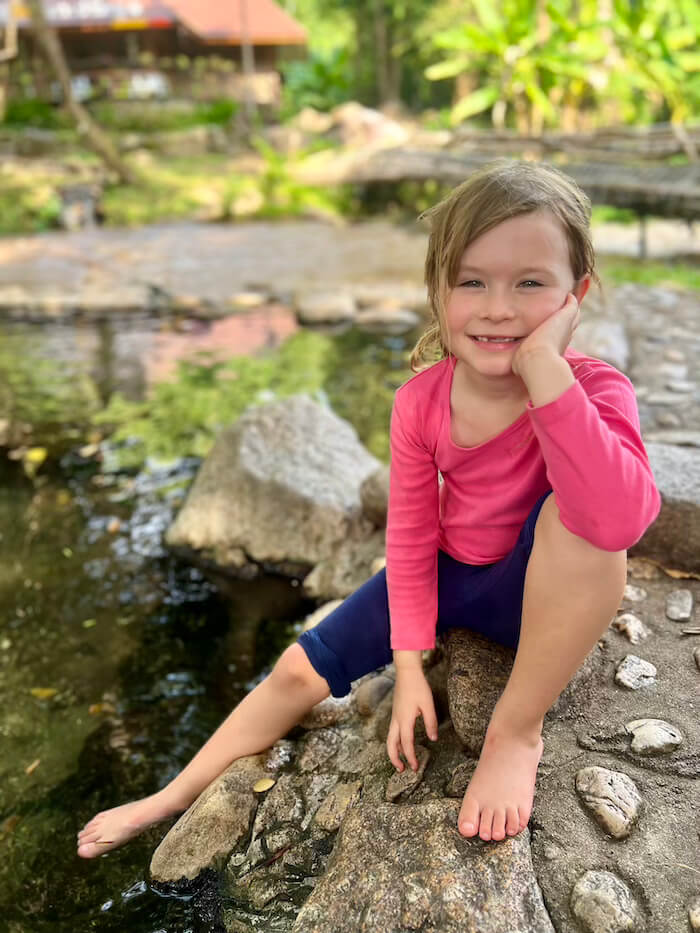
Learning will be so real for her: history is something we walk through, geography has sounds and flavors, and math shows up in markets and maps. Each new place will build her confidence as she learns she can adapt, communicate, and figure things out. This journey is about more than academics; it’s about raising a curious, empathetic, resilient human who knows the world is wide and full of possibility and trusts she has a place in it.
From Curiosity to Commitment
Learning at this age moves beyond exposure and enthusiasm as persistence, responsibility, self-awareness, and follow-through come into play alongside accelerating cognitive and emotional growth. Our daughter can hold multiple ideas at once, notice patterns, question assumptions, and engage with complexity. Conversations deepen, not because she is suddenly advanced, but because she is increasingly thoughtful. Learning shifts from something explained to her into something she actively explores alongside us.
A Changing Role for Parents
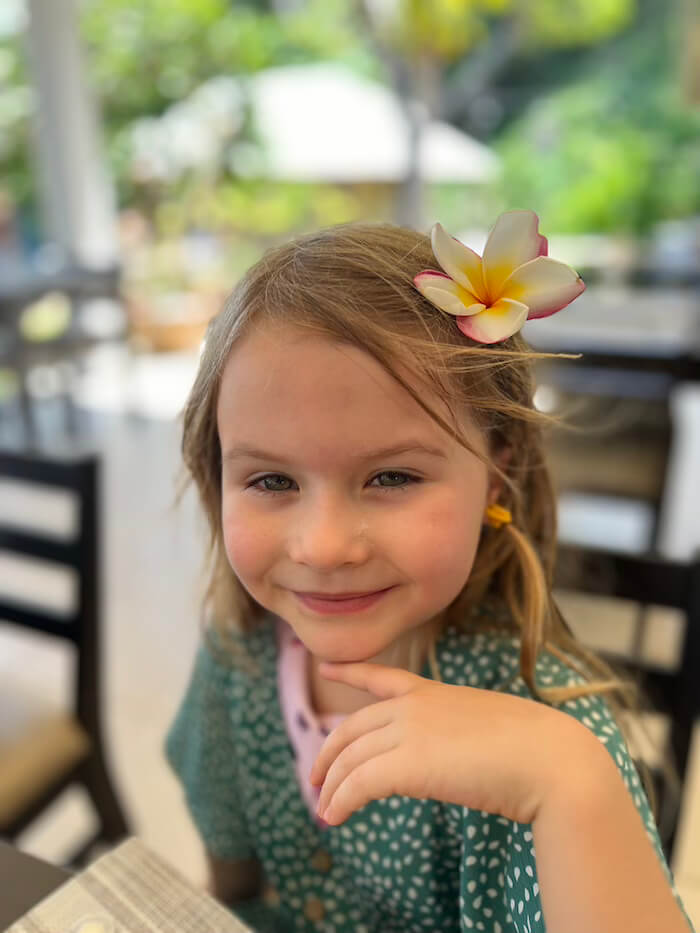
Our role is evolving from primarily guiding and protecting the learning process to strengthening our daughter’s capacity to manage challenge, effort, and uncertainty with confidence. We remain deeply aware of how formative these years are, but rather than holding that awareness as anxiety, we treat it as an invitation to partner more closely with her. We continue to observe, reflect, and adjust, while trusting her to notice what feels easy, what feels difficult, and where she needs more practice or support.
Resisting the Fear of Failure
With growing capability can come subtle pressure. Children at this age often begin comparing themselves more keenly, even when they appear calm and capable on the surface. Worries about being “good enough” or fear of mistakes may surface subtly, or not at all. Rather than measuring success only by output or independence, we stay attuned to emotional cues, remembering that confidence, ease, and self-trust matter as much as visible progress.
Depth Over Speed
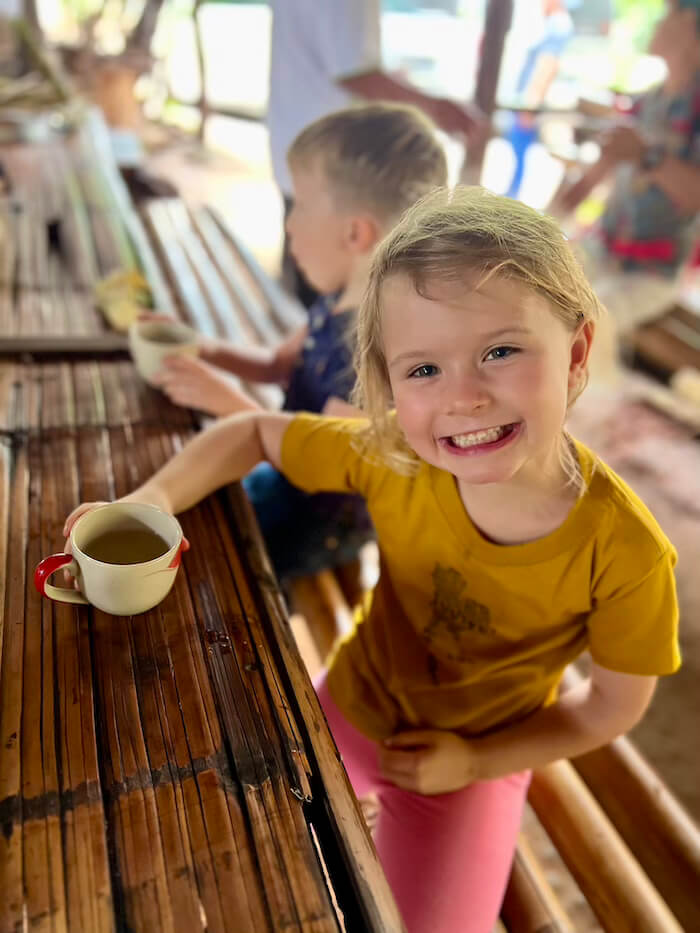
Learning remains rooted in curiosity, connection, and real-world experience, while increasingly requiring commitment, revision, and sustained effort. Many children begin to lose themselves in interests, books, and projects in ways that were not possible before. The ability to return to an idea over days or weeks, refine it, and deepen understanding marks the early stages of mastery. The goal is not perfection or acceleration, but depth, resilience, and a growing sense of ownership over learning.
Curiosity in Action: Projects, Questions, and Real-World Learning
Learning through doing—through people, cultures, nature, and place—will remain central to our approach, with a growing emphasis on depth. Experiences will be revisited, reflected on, and extended over time as we encourage our daughter to ask richer questions, make cross-disciplinary connections, research ideas, and communicate her thinking more clearly.
Projects will involve planning, investigation, revision, and presentation, as creativity becomes more intentional. She may refine a story for precision, adjust a design to better match her vision, or persist with work that does not yet feel complete. As interest-led learning deepens, we will remain attentive to signs of struggle, treating procrastination, distraction, or claims of boredom not as refusal, but as information guiding next steps.
Hearts and Minds: Growing Resilience and Self-Awareness
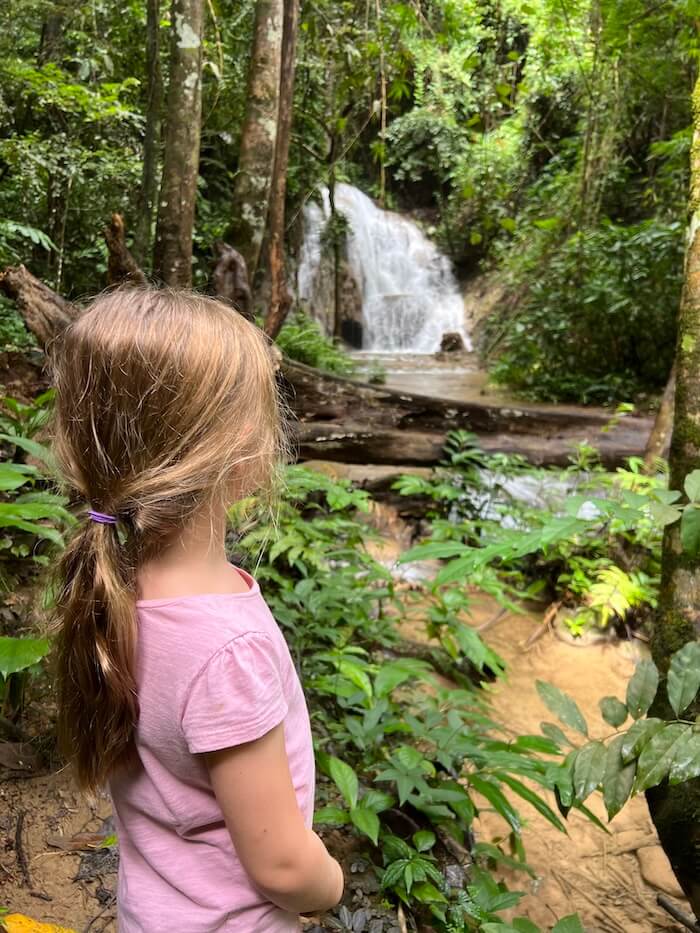
As expectations increase, frustration, self-doubt, sensitivity to feedback, and perfectionism may surface more frequently. These experiences are not problems to eliminate, but challenges to learn how to navigate. We will continue to name emotions, normalise struggle, and emphasise that learning is a process rather than a performance. At the same time, we will place increasing emphasis on helping our daughter develop her own coping strategies. After challenges we will reflect together on what helped, what didn’t, and what we could try differently next time.
We will remain mindful that children at this age can quietly internalise difficulty as identity. Temporary struggle can quickly become “I’m not a maths person” or “I’m bad at writing” if language and expectations are not handled carefully. Our role is to keep challenge situational rather than personal, ensuring that effort and support remain visible parts of learning.
Stepping Into Responsibility
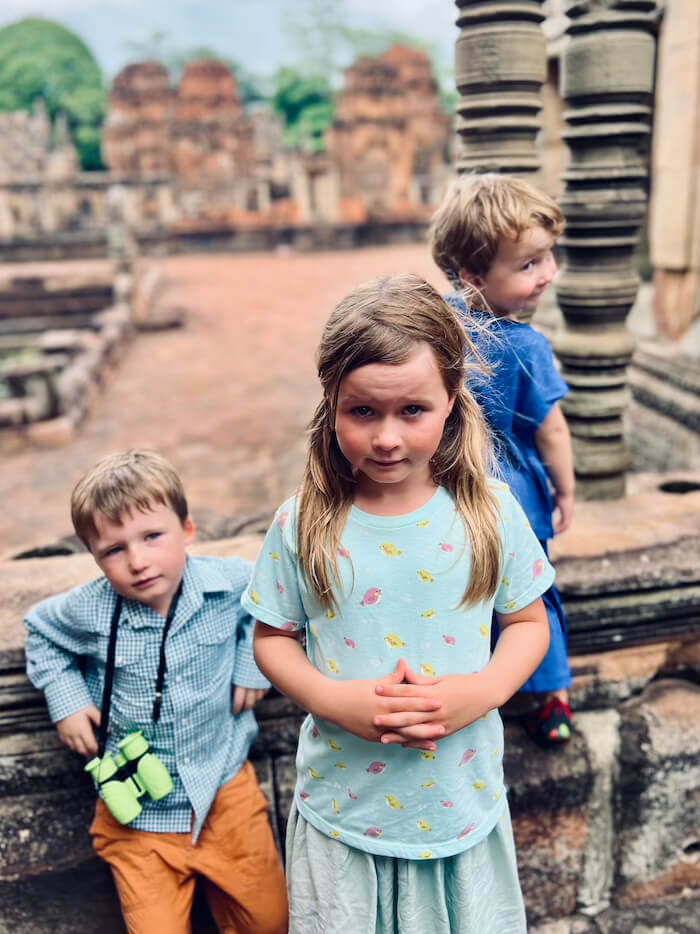
She is now capable of taking on genuine responsibility that affects daily life. Managing materials, following through on commitments, and contributing meaningfully to family routines help build a sense of competence and self-respect. Being trusted in this way supports her developing identity as someone who is capable and reliable.
We will be careful not to mistake apparent competence for full readiness. Although our daughter may appear organised and capable, she will still need support to manage time, frustration, and sustained effort. Independence will be built gradually, with responsibility increasing alongside guidance rather than replacing it too quickly.
When plans do not work as expected, materials are forgotten, or effort is uneven, these moments will be treated as learning opportunities rather than failures. Repairing mistakes, revising plans, and adjusting strategies are essential skills for becoming a self-directed learner.
Sharpening Tools: Skills, Focus, and Mastery
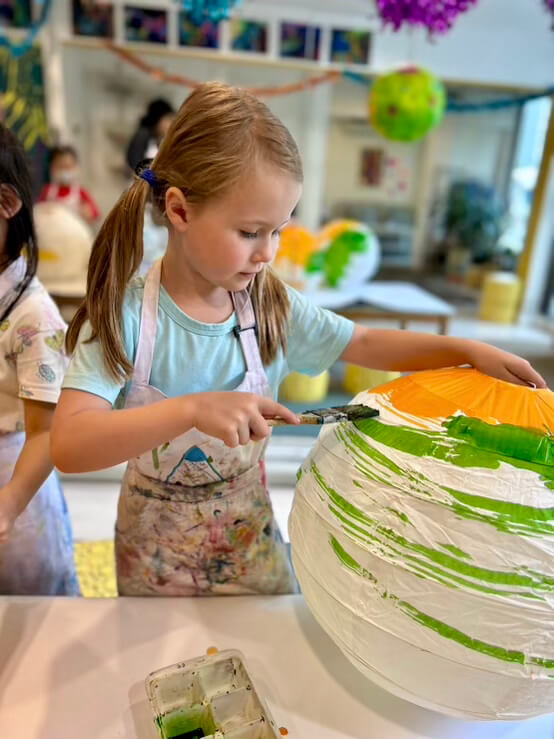
Between the ages of nine and eleven, consolidating and extending foundational skills becomes increasingly important. Reading comprehension and fluency, writing stamina and clarity, spelling, number sense, mathematical reasoning, and critical thinking all benefit from deliberate, consistent practice.
We will create regular, predictable opportunities for skill-building, with clear expectations and increasing duration. While learning will remain connected to real-world experiences, we recognise that some skills require repetition even when they are not intrinsically interesting. We will be honest about this, supportive through it, and mindful of balancing challenge with encouragement.
We will also remain alert to the risk of learning stamina being mistaken for personality. Difficulty will be framed as temporary and specific, not as evidence of limitation. Language will emphasise growth, strategy, and effort, ensuring that identity remains flexible and resilient.
Bridges to the Future: Preparing Without Pressure

Future transitions will remain gently in view. We will intentionally practise skills that support readiness for more structured environments, including following instructions independently, completing tasks without negotiation, sustaining attention through less-preferred activities, managing routine, tolerating boredom, and becoming familiar with the expectations and formats of standardized assessments, without allowing test preparation to dominate daily learning.
At the same time, we remain mindful of our own internal pressures. This stage can quietly heighten parental anxiety as progress becomes more visible and future pathways begin to feel closer. We will take care not to let future fears shape present-day expectations, remembering that our daughter is still firmly in childhood – although these years form a vital bridge into adolescence.
Our daughter remains open, connected, and grounded in family life while reaching toward greater independence. By staying emotionally attuned, responsive, and willing to adjust, we aim to protect both her confidence and her joy as learning deepens.
Exploring the World, Expanding the Mind
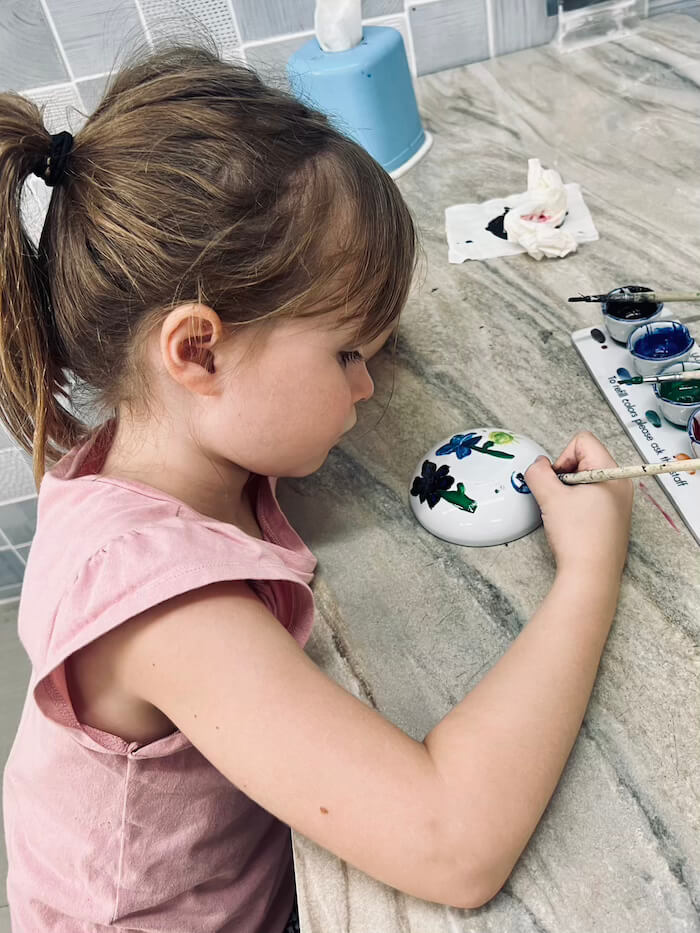
Worldschooling with a nine- to eleven-year-old is where we think some magic can really happen. Curiosity deepens into questions with weight, travel turns into context rather than novelty, and experiences start stitching themselves into understanding.
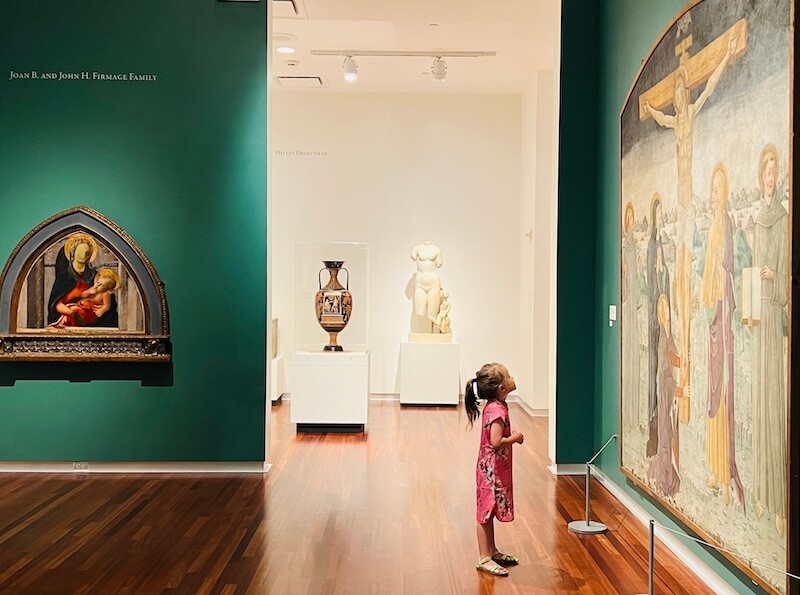
This is the age when our daughter doesn’t just see the world, but begins to interpret it: comparing cultures, noticing systems, questioning fairness, and connecting history, geography, and language in ways that feel startlingly mature. Days hold more stamina and intention: long walks that turn into discussions, museums that spark debates, and quiet moments where reading or thinking becomes absorbing rather than fleeting. We’re no longer simply showing her the world; we’re moving through it together, watching learning become personal, purposeful, and deeply rooted in real life.
Guiding Principles
Curiosity Leads, Guidance Follows
At this age, children are ready to ask meaningful questions and dive into work that matters to them. We let curiosity set the direction, then support it with thoughtful scaffolding—offering resources, nudges, and questions that deepen understanding and connect ideas across disciplines.
Learning Lives in the World
Education isn’t something that happens only on paper. It unfolds through hands-on experiences, cultural encounters, travel, conversation, and observation. Reflection, discussion, and documentation help turn lived experiences into insight and lasting knowledge.
Independence Is Built, Not Rushed
Nine- to eleven-year-olds can take on longer projects and real responsibility, but they still need support. We model planning and organization, offer structure where needed, and gradually step back as skills and confidence grow.
Mistakes Are Part of the Process
Experimentation, risk-taking, and setbacks are not detours, they’re part of the work. We normalize struggle, teach reflection, and treat mistakes as tools for learning, resilience, and stronger problem-solving, celebrating effort as much as outcomes.
Challenge Thrives without Pressure
Deep learning sticks when it’s balanced with play, movement, rest, and fun. We pair focused skill-building with open-ended exploration and downtime, protecting curiosity and motivation while avoiding burnout.
Learning Is Whole-Person Work
World-schooling weaves together academics, creativity, emotional growth, and life skills. By connecting disciplines to real life and encouraging reflection, we support not just knowledge acquisition, but confidence, agency, and self-awareness.
Visit our Worldschooling Hub for more information about our curriculum, detailed lesson plans, and the other resources on which we’ve relied to support our traveling classroom.