CENTRAL THAILAND: BANGKOK, BORDERS, AND BEACHES
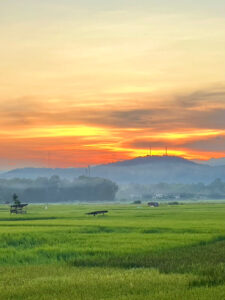
Central Thailand is so diverse that it’s hard (and perhaps mistaken) to think of it as a single region at all. At the heart of it all is Bangkok, one of the world’s great metropolises and the world’s most visited city. Only a few hours’ driving, however, and you can lose yourself in the wilds of the River Kwae, find wild elephants in Kui Buri, or unwind in the quiet beach towns of the Thai Riviera.
From ancient capitals to pristine beaches, there is so much more to a region which, overshadowed by the City of Angels, somehow manages to be overlooked.
The Royal Capital and the Great River
We are perhaps biased after living in Bangkok for three years, but it is truly one of the world’s great cities. It buzzes and hums without stop. The Chao Phraya River runs through the city’s heart and links the Kingdom to its past; the ruins of Ayutthaya, the former capital, are only a short trip upriver.
Traveling through this region is an exercise in seeing how Thailand manages its history alongside its growth. You can move from the quiet, stilted wooden houses of the Thonburi riverbanks to the high-traffic hubs of central Bangkok by boat in a matter of minutes. It is a region of high contrast, where the infrastructure of a global megacity sits directly on top of the traditional water-based communities that originally defined the kingdom.
The Western Valleys and the Tenasserim Hills
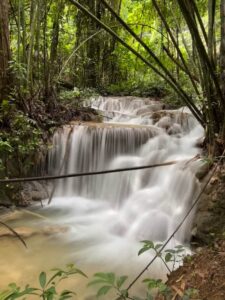
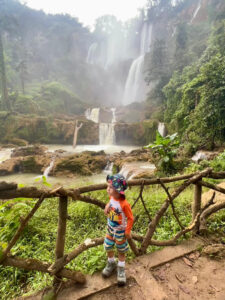
As you move west from the Bangkok sprawl, the flatness of the central plains abruptly gives way to the jagged limestone karsts and deep jungle of the Tenasserim Hills. This is a landscape defined by its watersheds—the Kwai and Mae Klong rivers—which have shaped everything from the region’s somber wartime history to its modern-day reputation as a retreat for those looking to escape the concrete.
Unlike the manic energy of the capital, life here is dictated by the geography of the valleys. It is a region where you can explore the rugged borderlands near Myanmar, walk the route of the historic “Death Railway,” or find quiet on a floating raft house deep within the national parks. It remains one of the most accessible ways to experience Thailand’s interior wilderness, offering a stark, vertical contrast to the river-basin life of the neighboring heartlands.
The Shores of the Upper Gulf
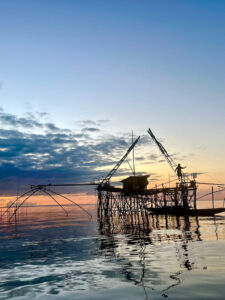
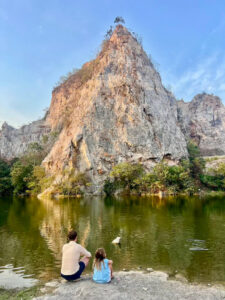
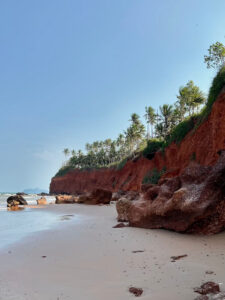
Stretching south from the salt pans of Samut Songkhram down to the narrowest point of the country in Prachuap Khiri Khan, the Royal Coast offers a different tempo than the rest of Central Thailand. This region, often branded as the “Thai Riviera,” is less about the high-octane beach parties of the east and more about a quiet, long-standing prestige. It has been the preferred summer retreat for the Thai monarchy for over a century, a legacy visible in the elegant wooden palaces and the manicured, easygoing atmosphere of Hua Hin.
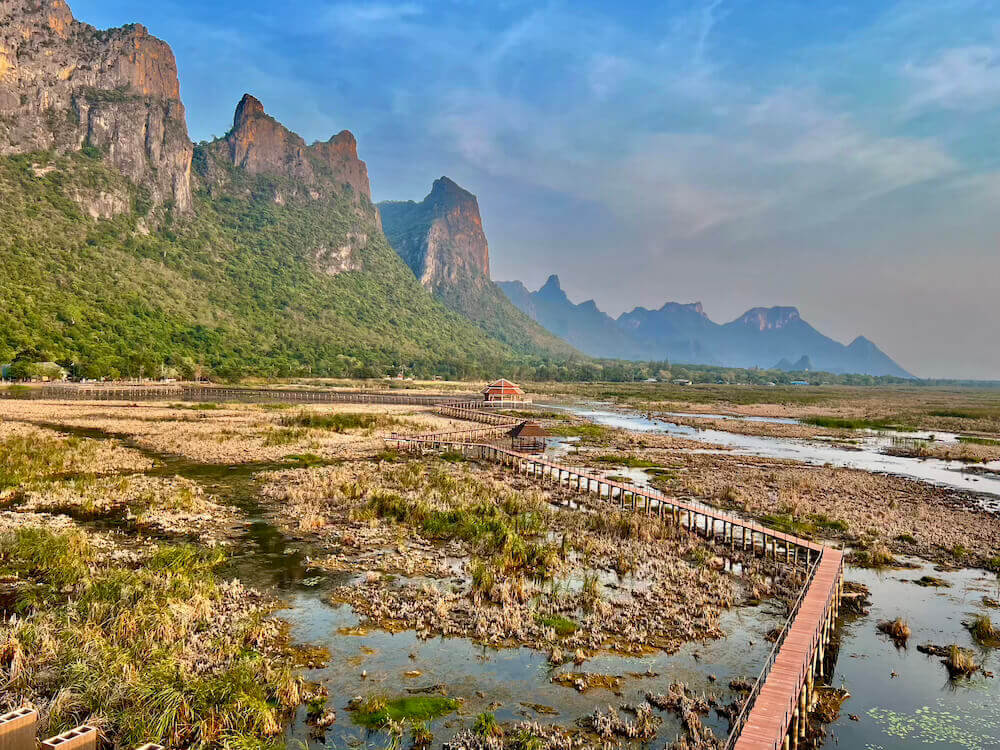
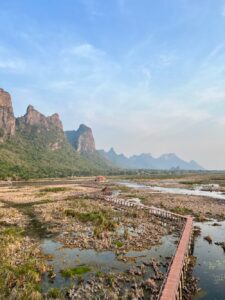
But the “Riviera” label only tells half the story. Beyond the resort towns, the coast is defined by its dramatic physical transitions. In places like Khao Sam Roi Yot, the flat coastal plains are suddenly interrupted by 300-meter limestone peaks that rise directly from Thailand’s largest freshwater marshes. It is a working coastline where pineapple plantations and salt farms meet protected mangroves and hidden bays. Whether you are exploring the “City of Three Bays” in Prachuap or trekking to the sun-lit pavilion inside Phraya Nakhon Cave, the region feels like a series of well-kept secrets tucked between the mountains and the Gulf.

Multi-Region Roadtrips
Not every trip can (or should) be contained to just a single region. Thailand is one of the best countries in the world for driving long distances, so why not see as much of it as you can? The roads are remarkably good, nearly the whole country enjoys high-speed mobile coverage so it’s harder to get lost, and there are incredible things to see in every province. Use these guides as a starting point for planning your own Thailand road trip.