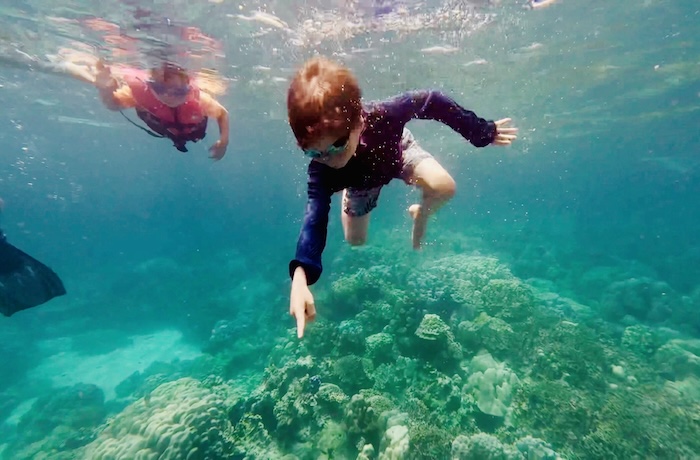
THE ART OF LEARNING IN NO PARTICULAR ORDER
Creating a learning framework for our worldschooling adventure.
Creating Our Learning Framework
Before we leave our offices to world-school our kids for 500 days, one question still looms: what daily learning will actually look like? We know we need a flexible rhythm that adapts to changing places, interests, energy levels, and opportunities.
Because our kids will eventually transition back into the New Zealand school system, we decided to use the New Zealand Curriculum as our foundation. We worked through the expectations for 5-, 7-, and 9-year-olds to shape an adaptive daily framework. While our kids are slightly younger now, they will hit these milestones by the end of the trip—and with little ones, time has a way of flying too fast.
Keeping It Flexible
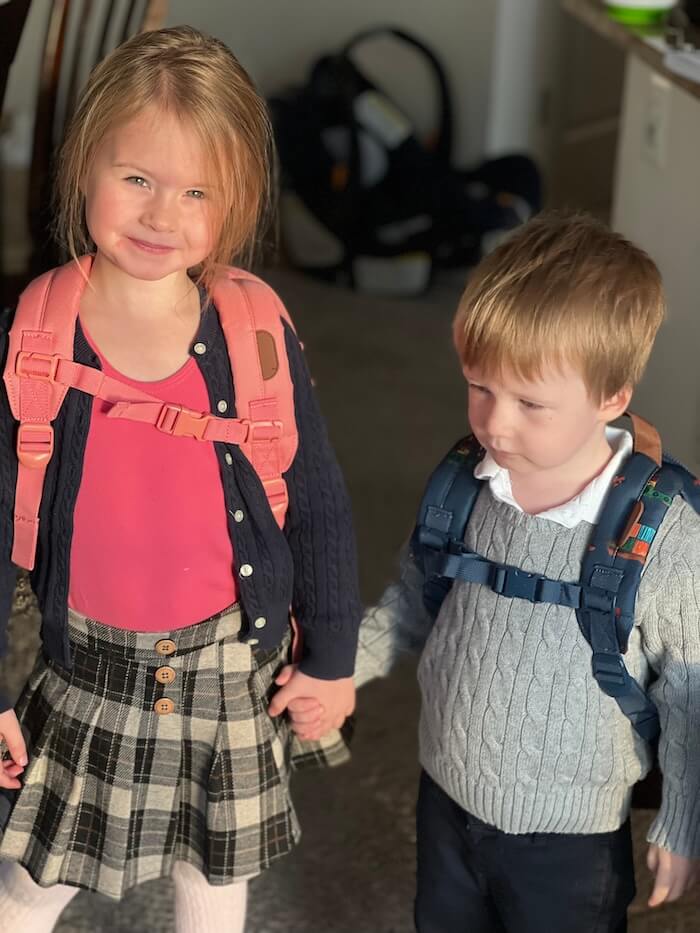
Instead of fixed hours, we use suggested time blocks so we can adjust depending on where we are, what we’re doing, and how the day unfolds.
Core subjects like reading, writing, and maths happen regularly. Everything else rotates weekly, fortnightly, or monthly depending on the situation.
A Basis for Our Lesson Plans
The framework is a guide, not a script. It allows for both focused learning and experience-based days. Wherever possible, we integrate skills like communication, problem-solving, creativity, and critical thinking into everyday experiences.
Some days, we might focus on one project for hours; others, a mix of activities like museums, walks, books, conversations, and whatever else spontaneously emerges.
WHY OUR LEARNING FRAMEWORK WORKS
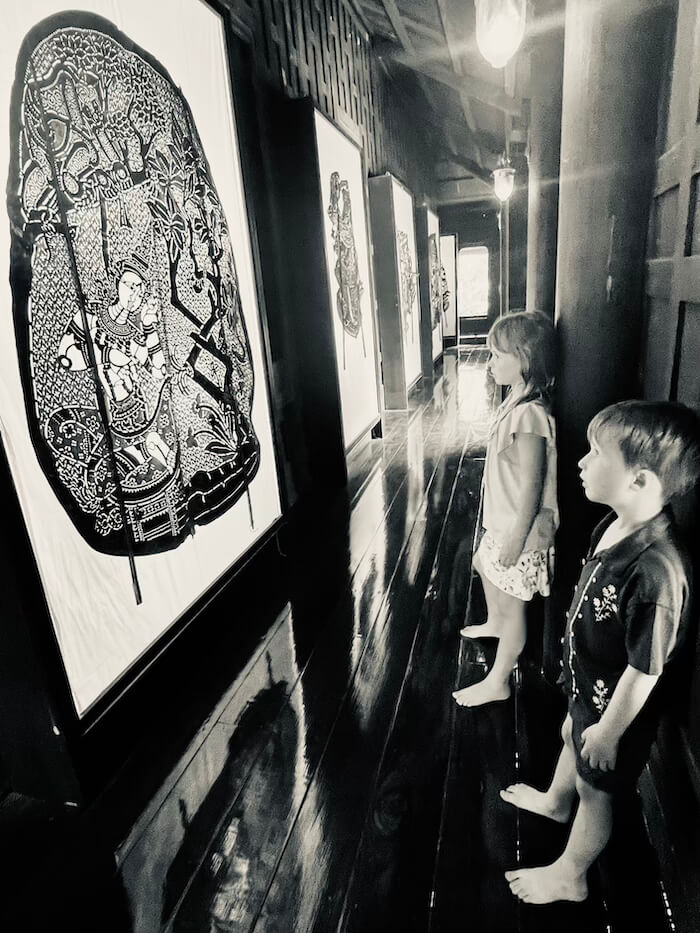
Worldschooling allows learning to happen through everyday experiences, conversation, relationships, and daily life. Our framework supports progress across key curriculum areas while leaving room for natural discovery.
We are building a practical collection of ways to connect curriculum goals to real-world experiences. Below is a summary of the main learning objectives for each subject area, with examples of how these can be applied day to day, and how they align with broader curriculum themes. As we gain more experience, we will continue to refine our approach.
The plan will evolve, the destinations will change, and for all our planning, we know some of the best learning will happen when things don’t go exactly to plan.
OUR DAILY FRAMEWORK
WARM UP | 20–30 mins
Learning Areas: English, Languages, Social Sciences, Arts
Place-based arts lens: song/poem/art from current location. Discuss: What do we notice? What emotions does it express? What might it tell us about this place, people, or environment? How is it similar/different to what we know?
OBJECTIVES AND IDEAS:
5 yrs: songs, emotional check-in, weather talk, counting objects, naming surroundings, simple stories, greetings in different languages.
7 yrs: recounting experiences, sequencing (what happened first/next), simple map pointing, expressing opinions (“I liked…”), noticing patterns in days/weather, stories, greetings in different languages.
9 yrs: global map work (continents, routes), time zones, comparing places/cultures, foreign language place words and greetings, discussing current events simply, managing self (planning day, choosing focus) learn about people, cultures, communities, history, and the environment. Language goals include learning greetings, everyday vocabulary, pronunciation, simple conversations, and cultural understanding.
CURRICULUM THEMES:
Big ideas: place, identity, and perspective shape how we understand the world
Metacognition: “What do I already know about this place? What am I curious about?”
Evidence: picture/song/poem + child voice reflection (oral or written)
Progression: noticing → describing → beginning to explain experiences
Key competency focus: relating to others (sharing ideas and listening to others’ perspectives)
MOVEMENT | 40–60 mins
Learning Areas: Health & PE
OBJECTIVES AND IDEAS
5 yrs: Free movement and sensory exploration through water, sand, textures, climbing, running, jumping, throwing, balancing, imitation play, and nature scavenger hunts (find something rough/smooth”). Develop coordination, cooperation, confidence, and positive friendships while learning about healthy habits, emotions, kindness, wellbeing, and personal safety.
7 yrs: Structured movement games, obstacle courses, coordination challenges, guided nature walks (“find 3 living things”), and early teamwork activities. Build physical skills through games, sports, dance, and outdoor activities while learning cooperation, respectful behaviour, healthy eating, hygiene, emotions, friendships, and positive wellbeing habits.
9 yrs: Hiking with distance or time tracking, orienteering with maps, sport skill development, endurance challenges, and group movement tasks that encourage participation and contribution. Strengthen fitness, teamwork, resilience, fairness, and respect for others while learning about nutrition, emotions, safety, healthy choices, environmental care, and mental and physical wellbeing.
CURRICULUM THEMES:
Big ideas: movement connects us to space, environment, and wellbeing
Sustainability: noticing human impact on natural environments
Systems thinking: how geography, weather, and built environments influence movement and decisions
Thinking competency: adapting plans when conditions change (weather, terrain, group needs)
Evidence: Quick observations of movement challenges and choices made
LITERACY & COMMUNICATION | 45–60 mins
Learning Areas: English
OBJECTIVES AND IDEAS:
5 yrs: Storytelling with props, picture books, songs, rhymes, drawing, and early writing activities to build foundational reading, writing, speaking, and listening skills. Recognise letters, sounds, simple words, and environmental print (signs, ads, and logos), while experimenting with writing name and simple sentences. Oral language development includes listening carefully, following instructions, sharing experiences, asking questions, and building confidence in communication.
7 yrs: Emergent reading, simple chapter books, spelling patterns, recounting, stories, and discussions to strengthen reading, writing, speaking, and listening skills. Practise writing clear sentences with growing control of punctuation, spelling, and handwriting, while learning to organise ideas for different purposes. Oral language skills include asking and answering questions, listening respectfully, sharing ideas clearly, and participating confidently in discussions.
9 yrs: Travel journals, blogging, debating, interviews, informational texts, and purposeful writing tasks help children develop fluency and understanding across fiction and non-fiction. Learn to identify main ideas, make inferences, expand vocabulary, and consider audience and purpose in their writing. Writing focuses on planning, drafting, revising, and organising ideas for reports, explanations, and narratives, while oral language skills include presenting ideas, participating in discussions, and communicating confidently in groups.
CURRICULUM THEMES:
Big ideas: communication changes depending on purpose and audience
Balance: speaking, listening, reading, writing intentionally balanced
Metacognition: “How did I understand this text or message?”
Progression: retelling → describing → explaining → comparing ideas
Evidence: writing samples, voice recordings, captions on real-world learning
MATHS | 45–60 mins
Learning Areas: Mathematics & Statistics
OBJECTIVES AND IDEAS:
5 yrs: Counting real objects, sorting natural materials, creating simple patterns, comparing size and quantity, and play-based shop experiences. Practice one-to-one counting, recognising numbers, simple addition and subtraction, identifying shapes and patterns, and using everyday maths language such as bigger/smaller, more/less, under/over, and full/empty through hands-on games and real-life situations like counting shells at the beach, sorting leaves or stones collected on walks, comparing fruit sizes at markets, helping buy snacks with coins, or spotting shapes and numbers on signs during travel.
7 yrs: Practice addition, subtraction, early multiplication and division, money activities, telling time, measurement, pictographs. Learn place value, basic fractions, shapes, patterns, measurement, and data interpretation while practising mental and written strategies and explaining thinking using everyday examples. Calculating simple travel costs, reading bus or train timetables, measuring ingredients while cooking local recipes, creating graphs of daily weather or wildlife sightings, or using maps to estimate distances between destinations.
9 yrs: Budgeting, currency conversion, timetables, measuring distance and time, graphing real-world data, estimation, and problem-solving tasks to apply mathematics in practical situations. Gain confidence with larger numbers, multiplication, division, fractions, decimals, place value, measurement, symmetry, and data interpretation while developing reasoning skills, explaining solutions, and making informed decisions in everyday contexts. Planning a travel budget, converting currencies between countries, comparing accommodation costs, tracking hiking distances and travel times, analysing weather patterns across locations, or interpreting maps and schedules to plan routes independently.
CURRICULUM THEMES:
Big ideas: numbers help us describe, compare, and make decisions about the world
Balance: number, geometry, measurement, statistics all naturally integrated
Systems thinking: money systems, transport systems, time systems across cultures
Problem-solving: evaluating trade-offs (time vs distance, cost vs value, effort vs outcome)
Evidence: receipts, graphs, charts, measurement records from real experiences
INQUIRY & THEME LEARNING | 60–120 mins
Learning Areas: Science, Social Sciences
OBJECTIVES AND IDEAS:
5 yrs: Sensory exploration, animal and plant spotting, pretend play, nature observation, and open-ended “why?” questions to encourage curiosity about the world. Investigate plants, animals, weather, water, materials, and movement while learning to observe carefully, describe changes, ask questions, and share ideas. Focus on understanding themselves, their families, friendships, communities, fairness, caring for others, and respecting different cultures and traditions. Activities include visiting farms, exploring beaches and forests, observing insects in parks, talking with local community helpers, comparing homes and traditions in different places, and noticing seasonal changes while travelling.
7 yrs: Guided investigations, predictions, observation tasks, drawing findings, and comparing environments to develop early scientific thinking and inquiry skills. Explore habitats, weather, materials, living things, and simple forces such as pushes and pulls while learning to ask questions, notice patterns, and record ideas using drawings, charts, or simple writing. Learn about family, culture, belonging, community rules, and understanding how people and environments affect one another. Activities include testing what floats or sinks at rivers or beaches, comparing climates between locations, visiting cultural festivals, exploring museums or wildlife centres, interviewing local people about traditions, or observing how communities use natural resources differently.
9 yrs: Museums, ecosystems, geography studies, cultural interviews, mapping, and documenting learning encourage deeper investigation and real-world understanding. Carry out more independent investigation by predicting, observing, recording results, identifying patterns, and using scientific vocabulary to explain ideas about living things, forces, energy, weather, Earth systems, and materials. Also explore how people, places, societies, and technologies are connected while developing critical thinking and environmental awareness. Activities include hiking through different ecosystems, comparing cities and rural communities, visiting science or history museums, mapping travel routes, thinking about how things work, interviewing people from different cultures, studying conservation projects, or recording weather and environmental changes across regions.
CURRICULUM THEMES:
Big ideas: systems, change, cause/effect, interdependence, perspective
Nature of Science: ask → predict → observe → explain → revisit ideas
Social Sciences: people, places, communities, and systems (transport, trade, society)
Sustainability: human impact on environments and care for places
Systems thinking: ecosystems, cities, water cycles, food systems
Evidence: photos + explanations + “what did we discover and why does it matter?” reflection
READ-ALOUD/QUIET TIME | 20–40 mins
Learning Areas: English, Social Sciences
OBJECTIVES AND IDEAS:
5 yrs: Picture books, repetitive stories, songs, rhymes, role play, and listening comprehension activities that build vocabulary, imagination, and early understanding of characters, feelings, and sequence. Includes reading stories connected to places being visited, exploring folktales from different cultures, or retelling travel experiences through drawings and play.
7 yrs: Early chapter books, shared reading, discussing characters and emotions, predicting story outcomes, and identifying simple themes and lessons. Children begin comparing experiences in stories with their own lives and communities. Includes reading books set in different countries and comparing cultural traditions in stories.
9 yrs: Novels, myths, biographies, and historical or cultural stories that encourage comparing perspectives, discussing themes such as fairness, choice, resilience, and consequence, and connecting fiction to real-world cultures, geography, and history. Develop deeper comprehension by analysing motivations, relationships, and author purpose. Includes reading myths or biographies linked to current travel locations, comparing storytelling traditions across cultures, or discussing how setting influences people’s lives and beliefs.
CURRICULUM THEMES:
- Big ideas: Stories reflect values, identity, culture, and worldview.
- Perspective: Different cultures interpret similar themes and experiences in unique ways.
- Thinking: Predicting, questioning, comparing perspectives, interpreting meaning, analysing motivations, and making real-world connections.
- Communication: Listening actively, discussing ideas respectfully, retelling information, and expressing opinions clearly.
- Connection: Linking stories to personal experiences, travel, history, geography, and cultural understanding.
JOURNALING/REFLECTION | 15–30 mins
Learning Areas: English, Arts
OBJECTIVES AND IDEAS:
5 yrs: Drawing experiences, sticker journals, oral storytelling (adult scribes), emotion drawing; Draw and tell about your favourite thing you saw today? What made you feel happy, excited, or surprised today? Can you draw or describe an animal, person, or place you noticed?
7 yrs: Simple written sentences, drawing with labels, “best part of today” reflection, early sequencing of events. What is something you learned today? If you could change something about today, what would it be?
9 yrs: Structured reflection writing, sketches with annotations, learning summaries, questions for further inquiry, metacognition, managing self: setting small goals for tomorrow. How was today’s experience different from what you are used to at home? What did you learn about people, culture, nature, or yourself from today’s experiences?
CURRICULUM THEMES:
Metacognition: how did I learn today and what helped me succeed?
Progression awareness: what can I do now that I couldn’t before?
Agency: what do I want to explore or improve next?
Evidence: portfolio entry (photo + reflection + child explanation of learning)
CREATIVE/PROJECT WORK | 45–90 mins
Learning Areas: Arts, Technology
OBJECTIVES AND IDEAS:
5 yrs: Creativity, coordination, and self-expression through exploration of materials, movement, sound, and play. Develop early problem-solving through making and building. Explore colour, texture, rhythm, and form using simple tools and everyday materials. Begin sharing ideas about creations and understanding that tools and technology support daily life. Create nature collages using leaves and shells, painting landscapes from places visited, exploring local music and dance, building structures inspired by landmarks, and taking simple photographs of meaningful travel moments with guidance.
7 yrs: Develop creativity, problem-solving, and collaboration through design, construction, and artistic exploration. Experiment with a wider range of materials, techniques, and digital tools to design, build, test, and improve ideas. Build confidence in communication and understand how art and technology reflect different cultures and real-world needs. Designing shelters inspired by local architecture, creating travel scrapbooks, learning traditional crafts, building models of bridges or monuments, filming short travel videos, and participating in cultural music and dance experiences.
9 yrs: Develop purposeful creativity, innovation, and critical thinking through structured design and media projects. Plan, test, and refine work using artistic elements such as rhythm, contrast, movement, and mood. Explore how technology, design, and the arts influence people and environments. Strengthen collaboration, reflection, and creative communication skills. Creating travel blogs or photo journals, coding simple digital maps or games, documenting cultural experiences through video, designing solutions to real-world travel challenges, studying local art styles, and producing performances inspired by places and people encountered during travel.
CURRICULUM THEMES:
Big ideas: creativity is a form of problem-solving and communication
Design thinking cycle: try → test → improve → reflect
Student agency: children choose how to represent and communicate learning
Evidence: final product + explanation of process and decisions made
Progression: from experimenting → refining → intentionally designing solutions